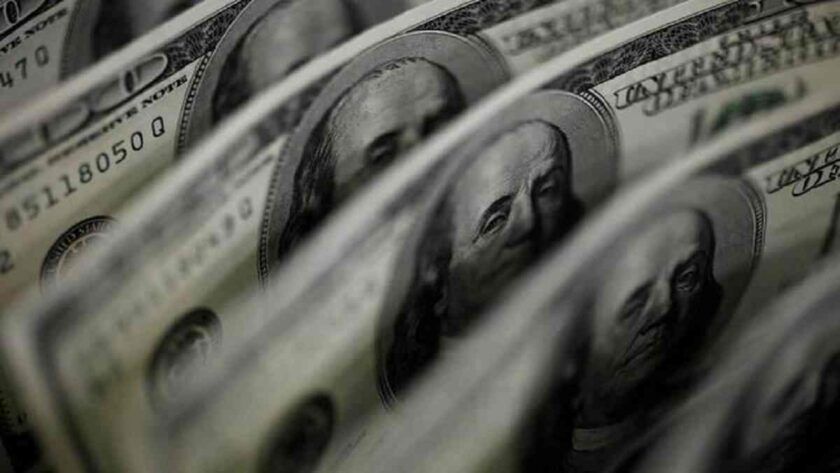
The U.S. dollar strengthened against most major currencies on Wednesday. This rebound came a day after the Federal Reserve delivered an expected quarter-point rate cut but signaled little urgency to lower borrowing costs further in the near term.
The greenback found support from new data showing a decline in U.S. jobless claims, reversing the previous week’s spike. The stronger data eased concerns over the labor market and lifted confidence in the dollar.
The British pound came under pressure as the dollar gained. Sterling lost earlier momentum after the Bank of England (BoE) kept interest rates unchanged and announced a slower pace of government bond sales.
Federal Reserve Chair Jerome Powell described the cut as a “risk-management move” in response to a weakening labor market. However, he emphasized that the Fed was not in a rush to continue easing. Analysts noted that Powell’s tone was less dovish than markets had expected, sparking a sharp dollar rebound.
Goldman Sachs analysts suggested this cut could mark the beginning of a series of reductions, while ANZ argued Powell’s comments were “not at all dovish.” Despite dropping to its lowest level since February 2022 immediately after the Fed’s decision, the dollar bounced back strongly, rising 0.5% against a basket of major peers.
The British pound briefly touched its strongest level since early July but ended the day lower. The BoE voted 7–2 to reduce its annual gilt sales from £100 billion to £70 billion, largely in line with expectations. Economists believe the BoE is unlikely to ease policy again this year.
The euro also weakened, slipping 0.3% to $1.1780 after retreating from its strongest level since mid-2021.
Meanwhile, the Norwegian crown fell 0.6% after Norges Bank cut rates by 25 basis points to 4.0%. This marked its second cut in three months, and the bank signaled more easing ahead.
The U.S. dollar gained 0.7% against the Japanese yen ahead of the Bank of Japan’s upcoming decision. Markets expect the BOJ to hold rates steady, though traders are pricing in a possible quarter-point hike by early next year.
Political developments in Japan remain in focus, with the ruling Liberal Democratic Party preparing to elect a new leader following Prime Minister Shigeru Ishiba’s resignation.
Elsewhere, weak GDP data from New Zealand weighed heavily on the kiwi. The economy contracted 0.9% in the second quarter, leading traders to boost bets on further policy easing from the Reserve Bank of New Zealand. The New Zealand dollar fell 1.3% in response.
In digital assets, Bitcoin rose 1.8% to $117,748, supported by broader investor demand despite volatility in traditional markets.