China’s Regulator Says Nvidia Violated Anti-Monopoly Law Amid Rising U.S.-China Tensions
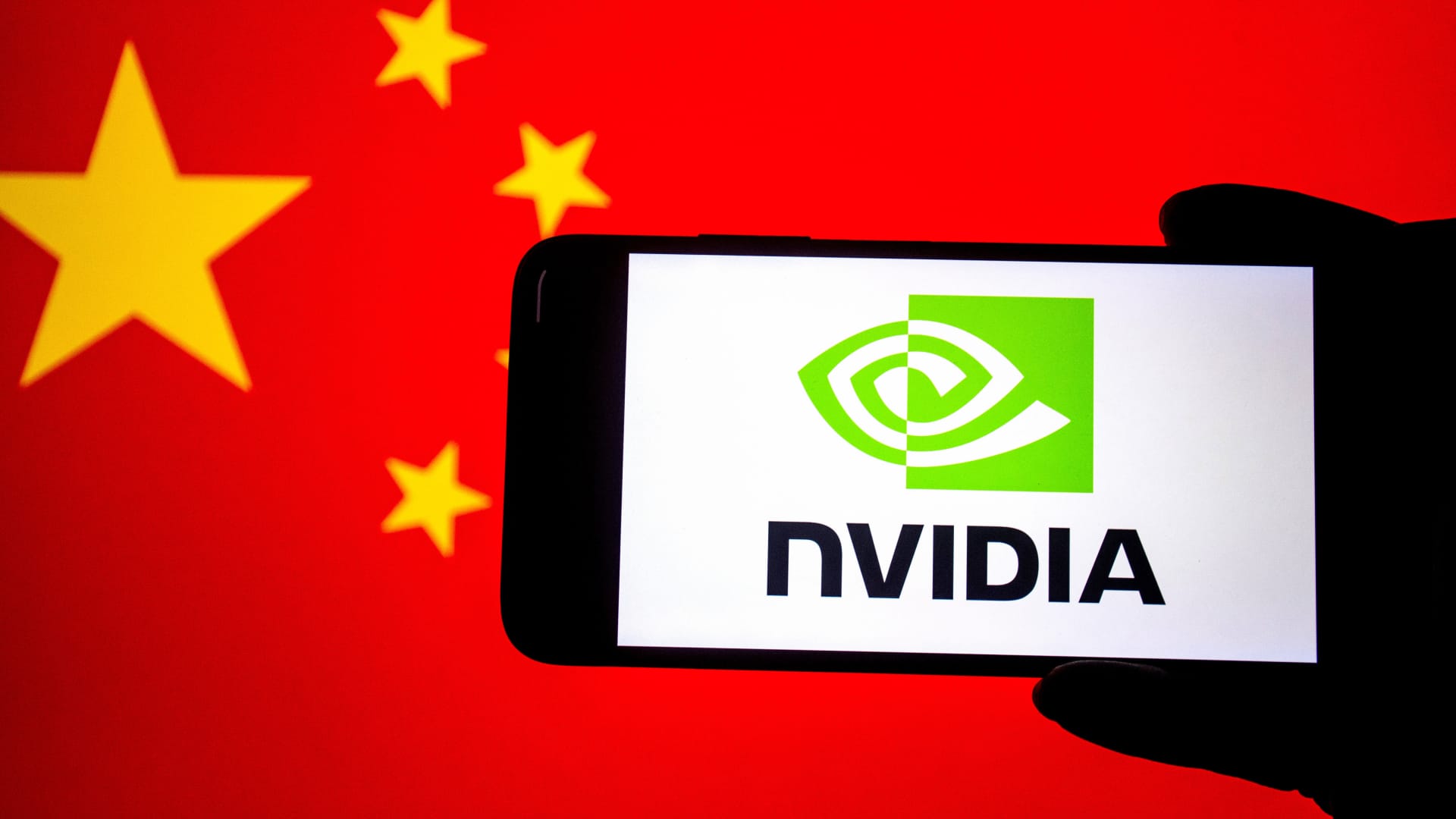
China’s State Administration for Market Regulation (SAMR) announced Monday that a preliminary investigation found Nvidia in violation of the country’s anti-monopoly law. The move marks another setback for the U.S. chip giant at a time of tense trade relations.
The announcement came as the United States and China held trade talks in Madrid, with semiconductors—such as those produced by Nvidia—high on the agenda. U.S. Treasury Secretary Scott Bessent said the timing of the probe was raised during the negotiations, calling it “poorly timed.” Analysts believe China’s move was strategic, designed to strengthen its leverage during talks.
According to Alfredo Montufar-Helu of GreenPoint, both sides are making calculated moves to gain a stronger negotiating position. The SAMR decision follows the Trump administration’s recent decision to place 23 Chinese companies on a U.S. trade blacklist. Experts say the probe is China’s warning that U.S. export controls will have consequences for American firms.
The ruling complicates CEO Jensen Huang’s efforts to maintain Nvidia’s presence in China. Huang has visited China three times this year, signaling his commitment to the market despite repeated U.S. restrictions on advanced chip sales. Nvidia’s stock fell 2.1% in pre-market trading following the news.
The SAMR statement offered few details but said Nvidia may have breached commitments linked to its 2020 acquisition of Mellanox Technologies. At the time, the company pledged to continue supplying China with GPU accelerators. However, in recent years, U.S. export controls forced Nvidia to halt sales of its most advanced chips.
If found guilty, Nvidia could face fines of 1% to 10% of its annual revenue. China generated $17 billion for Nvidia in the last fiscal year, around 13% of its total sales. Analysts suggest the regulator could also require Nvidia to sell chips in China without integrating Mellanox technology.
China has intensified scrutiny of Nvidia’s AI chips, including its H20 model designed for the Chinese market. Regulators recently questioned companies like Tencent and ByteDance about their purchases of the H20 chip and asked Nvidia whether the product contained security risks.
While the probe adds to Nvidia’s challenges, analysts say it is unlikely China aims to force the company out of its market. Instead, the focus appears to be on limiting U.S. dominance in the chip sector and accelerating the growth of domestic alternatives.