Oil Prices Edge Higher on Supply Risks as Weak Fundamentals Limit Gains
Oil prices rose on Thursday as traders remained cautious ahead of the U.S.-Russia summit on Ukraine scheduled for Friday. Markets fear the talks could lead to changes in Russian crude sanctions or additional action against buyers. However, a weak demand outlook capped further gains.
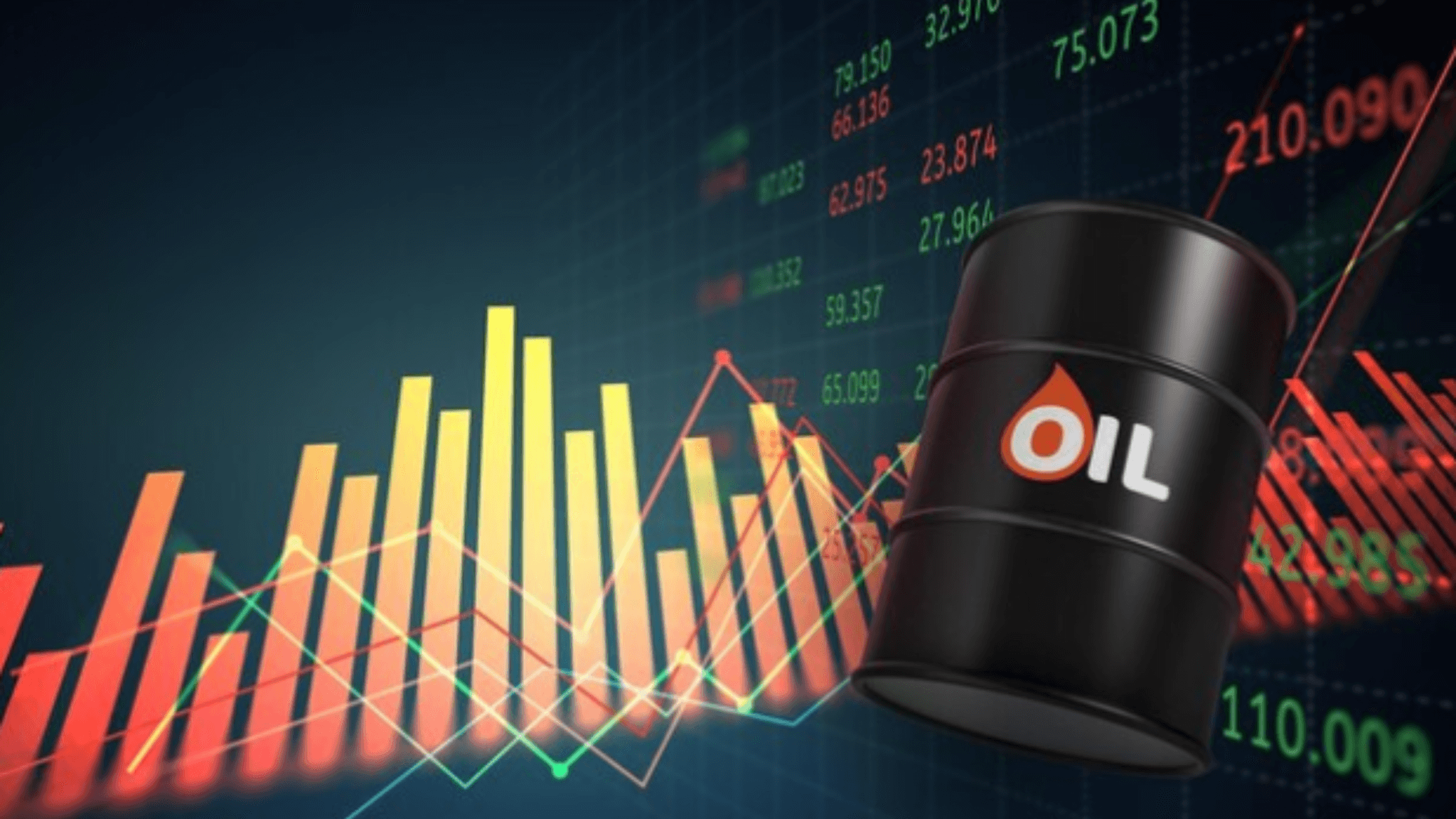
Brent crude futures gained 24 cents, or 0.37%, to $65.87 a barrel by 03:56 GMT. U.S. West Texas Intermediate (WTI) crude rose 21 cents, or 0.34%, to $62.85. Both benchmarks had touched two-month lows on Wednesday after bearish supply forecasts from the U.S. government and the International Energy Agency (IEA).
Geopolitical Tensions Drive Risk Premium
U.S. President Donald Trump warned of “severe consequences” if Russian President Vladimir Putin fails to agree to a Ukraine ceasefire. He signaled that additional sanctions — including secondary tariffs on buyers of Russian crude, mainly China and India — could follow if talks in Alaska produce no results. Analysts say such measures could tighten supply further if extended to other major buyers like Turkey.
Rystad Energy noted that uncertainty around the peace talks adds a bullish risk premium, with potential shifts in Russian oil flows posing market surprises. ING’s Warren Patterson added that while the oil market could absorb secondary tariffs on India, wider restrictions on China and Turkey would be harder to manage.
Other Market Drivers
Expectations of a September U.S. Federal Reserve rate cut also supported prices. Markets are pricing in a near 100% chance of a 25 basis-point reduction, with some analysts seeing scope for a 50 basis-point move due to slowing jobs growth and moderate inflation. Lower borrowing costs could help boost oil demand.
Weak Fundamentals Cap Upside
Gains were limited by data from the U.S. Energy Information Administration showing a surprise 3 million-barrel build in U.S. crude inventories for the week ending August 8. The IEA also forecast that global supply in 2025 and 2026 will grow faster than expected, driven by increased output from OPEC+ members and producers outside the group.