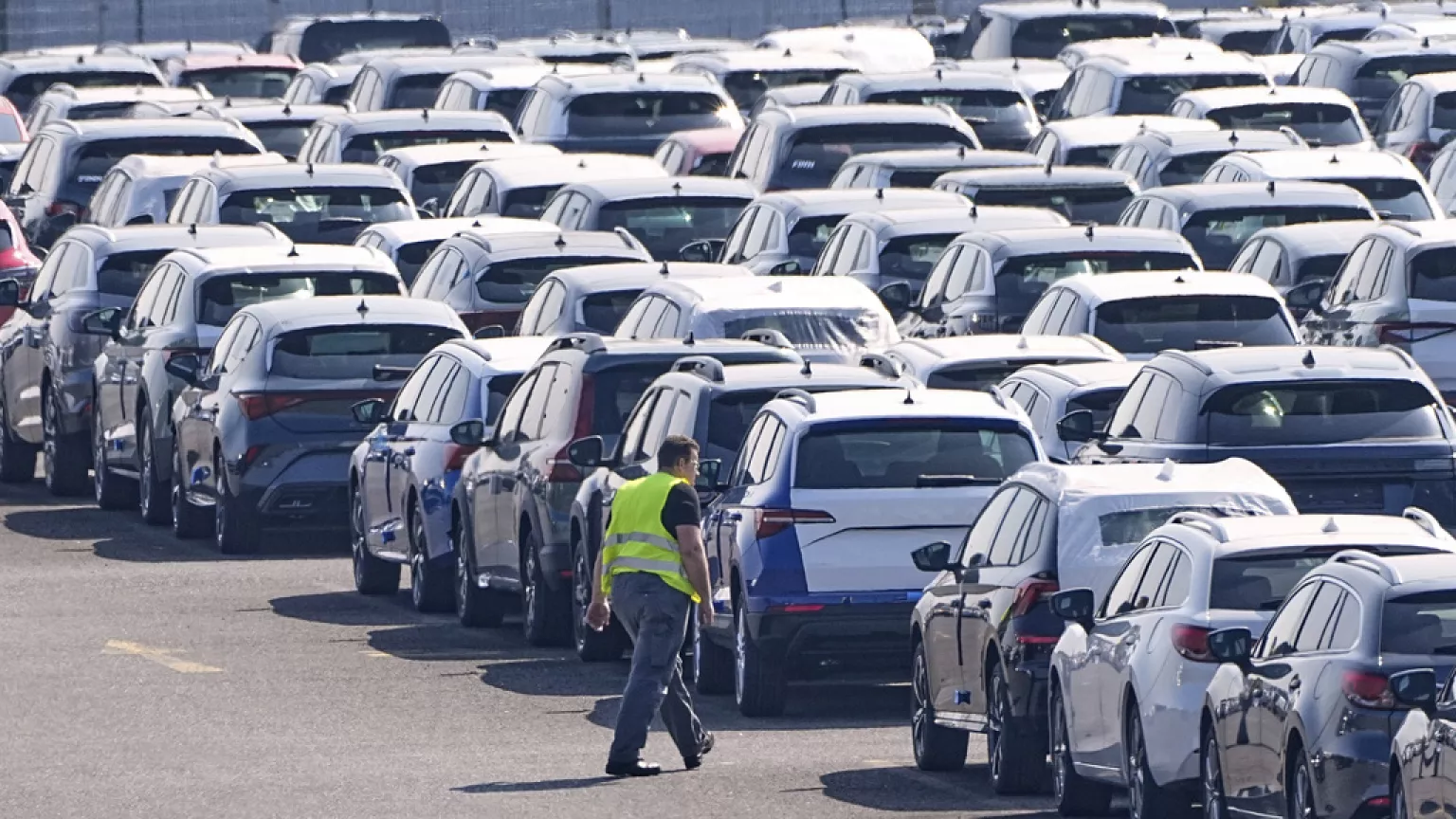
The European Union will need to wait a little longer for U.S. President Donald Trump to issue an executive order that would reduce tariffs on European car imports, according to a source familiar with the ongoing EU-U.S. trade talks.
Until that order is signed, U.S. consumers will continue to face a 27.5% tariff on imported European vehicles—such as German BMWs and Mercedes-Benz models, and Swedish Volvos—instead of the 15% rate previously agreed upon by Trump and European Commission President Ursula von der Leyen during their meeting in Scotland.
The reduction won’t take effect until Trump signs a legally binding executive order. While Trump did issue an order on July 31 setting a baseline EU tariff at 15%, it did not include products still under Section 232 investigations—namely automobiles, pharmaceuticals, semiconductors, wine, spirits, steel, and aluminum.
This new 15% baseline tariff is set to take effect on August 7 at 12:01 a.m. EDT, with a grace period for goods already in transit or warehoused until October 5.
The broader EU-U.S. trade deal will be implemented gradually through a series of White House executive orders and a non-binding joint statement, which an EU official described as being in an “advanced” phase.
Under this agreement, a 15% tariff will apply to EU pharmaceutical and semiconductor imports, according to U.S. officials. However, EU negotiators argue that this rate could ultimately be reduced, depending on the outcome of the ongoing Section 232 reviews.
Both sides are still finalizing the list of products that would qualify for either zero tariffs or significantly reduced most-favored-nation rates. The EU is pushing for lower or zero duties on items like wine, spirits, medical devices, and certain chemicals. In the meantime, tariffs on wines and spirits will increase to 15%.