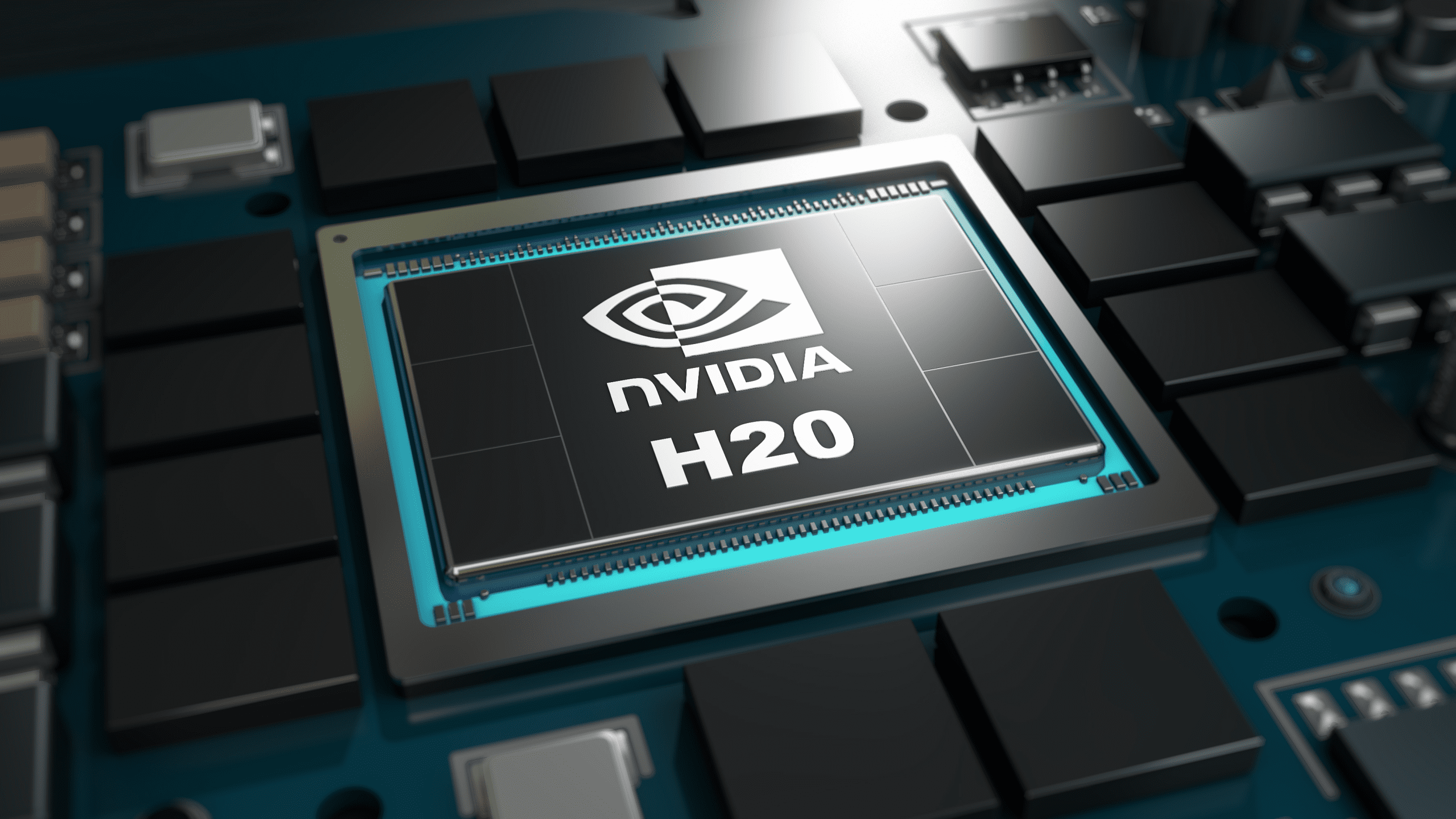
Nvidia’s H20 Chip Supply May Fall Short of Rising China Demand, Says Jefferies
Nvidia’s current inventory of H20 AI chips may not be enough to meet the accelerating demand in China, according to analysts at Jefferies. The surge follows a temporary easing of U.S. export restrictions.
Jefferies estimates Nvidia (NASDAQ: NVDA) holds between 600,000 and 900,000 H20 units, while Chinese demand could reach as high as 1.8 million units.
“As long as the U.S. and China remain in a trade truce, we believe Nvidia will be permitted to meet reasonable demand from China,” the firm stated.
During the first quarter of fiscal year 2025, Nvidia is believed to have shipped around 300,000 H20 units, roughly matching pre-ban levels.
Chinese Firms Still Prefer Nvidia AI Chips
Despite supply constraints, Nvidia remains the preferred choice for Chinese cloud service providers and internet companies. Jefferies attributes this to three main factors:
- Nvidia’s CUDA ecosystem,
- Superior cluster performance compared to domestic chips,
- Limited availability of competitive local alternatives.
Although the H20 is optimized for AI inferencing tasks only, Jefferies expects strong demand to continue, even for downgraded versions in future product lines.
Next-Gen B30 Chip Coming in Late 2025
Looking ahead, Nvidia plans to launch its next-generation B30 chip in the fourth quarter of 2025. This chip will feature reduced memory specifications to comply with anticipated changes in U.S. export rules for AI semiconductors.
Jefferies has increased its AI capital expenditure forecast for China in 2025 by 40%, raising the projection to $108 billion. For the 2025–2030 period, the estimate was also lifted by 28%, reaching $806 billion.
In addition, power demand from China’s AI infrastructure is expected to grow by 12% to 29 gigawatts.
Temporary Dip in AI Spending Doesn’t Signal Weakness
Jefferies noted a possible slowdown in AI-related capital spending by Chinese internet firms in Q2, due to limited GPU rental availability. However, the firm emphasized this is not a sign of declining AI development.
“The key takeaway is that Nvidia chips have CUDA support and currently no major supply constraints,” Jefferies concluded.