Trump Announces Major Trade Deal with Japan, Including 15% Tariffs
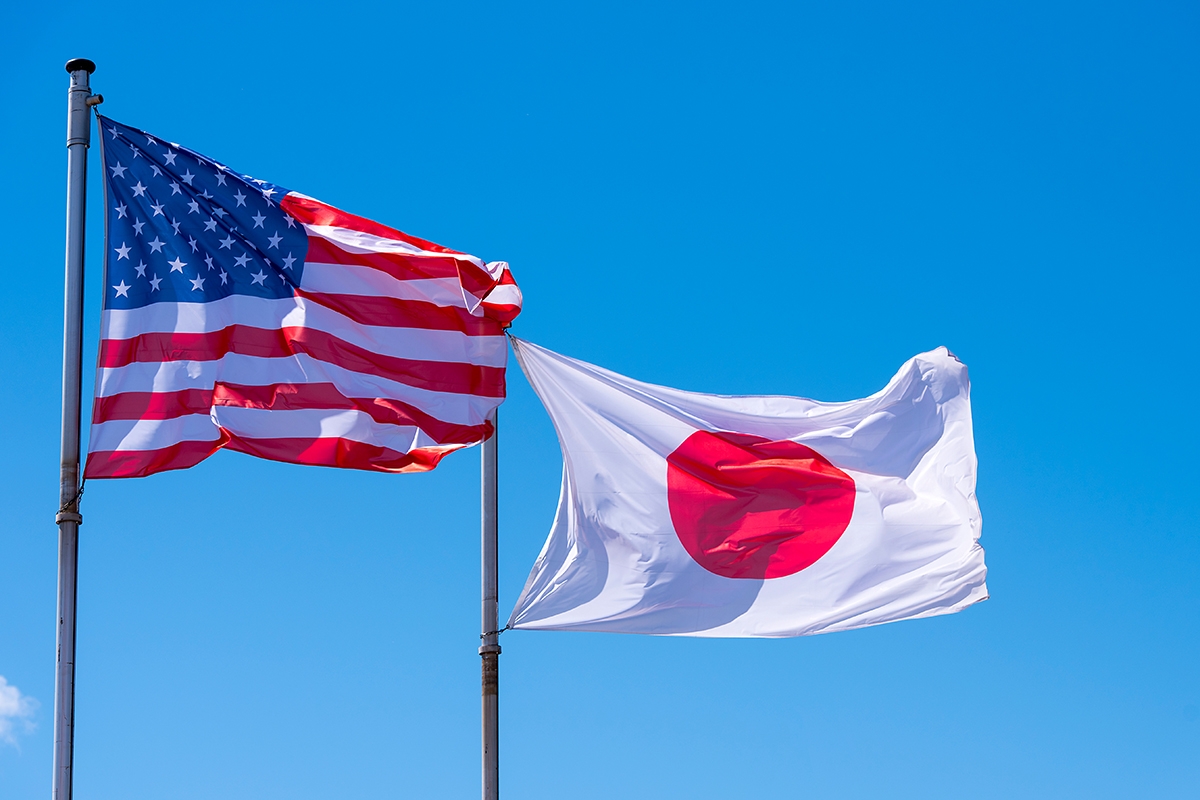
Earlier this week, U.S. President Donald Trump revealed that his administration had secured a “massive deal” with Japan. As part of the agreement, Japan will apply a 15% baseline tariff on its exports to the United States.
Japan’s Auto Industry Included in New Tariff Agreement
The deal includes Japan’s auto sector, which makes up over 25% of the country’s exports to the U.S. These automotive exports will now be subject to the same 15% tariff rate, a key part of the agreement.
$550 Billion Investment and Profit Sharing
Trump also stated that Japan will invest $550 billion into the U.S. economy. Of that amount, the U.S. is expected to receive 90% of the profits. He added that Japan will open its market to U.S. goods, including cars, trucks, rice, and other agricultural products, under reciprocal trade terms.
Deal Follows High-Level White House Meeting
The announcement came after Ryosei Akazawa, Japan’s chief trade negotiator, met with Trump at the White House earlier in the week. The agreed 15% tariff is less than the previously proposed 25%, but it still contradicts Japan’s earlier request for full tariff exemption.
The new tariff is expected to begin on August 1, the same date that Trump’s other reciprocal tariffs on major trading partners are scheduled to take effect.
Analyst Views: Mixed Reactions from Barclays and BofA
Analysts at Barclays, led by Michael McLean, said the outcome was neutral for Japan. “Tariffs didn’t get worse, but didn’t get much better either,” McLean noted. He added that Japan traded a lower rate on cars for a broader reciprocal tariff, calling the final result “largely a wash.”
In contrast, analysts at BofA Securities suggested Japanese companies may now accelerate pricing strategy adjustments. They believe earnings forecasts have already priced in most of the tariff impact, indicating that profit margins may be bottoming out.
U.S.-EU Trade Talks Show Similar Structure
Later in the week, reports emerged that the U.S. and European Union were working toward a trade agreement that mirrors the Japan deal. According to the Financial Times, this would include a 15% tariff on European goods and tariff waivers on select items, such as medical devices, spirits, and aircraft.
However, the EU has prepared a €93 billion retaliatory tariff package, ready to launch if no agreement is reached by August 1.
Japan Pact May Set the Standard for Other Trade Talks
BofA analysts, led by Masashi Akutsu, believe the U.S.-Japan deal may serve as a benchmark for ongoing negotiations with countries like Canada and Mexico, who are also subject to Trump’s reciprocal tariffs. If these nations follow the same pattern, a 15% tariff rate may become the new baseline for future trade deals—or potentially even higher.