Trump Announces 35% Tariff on Canadian Goods, Citing Fentanyl and Trade Imbalances
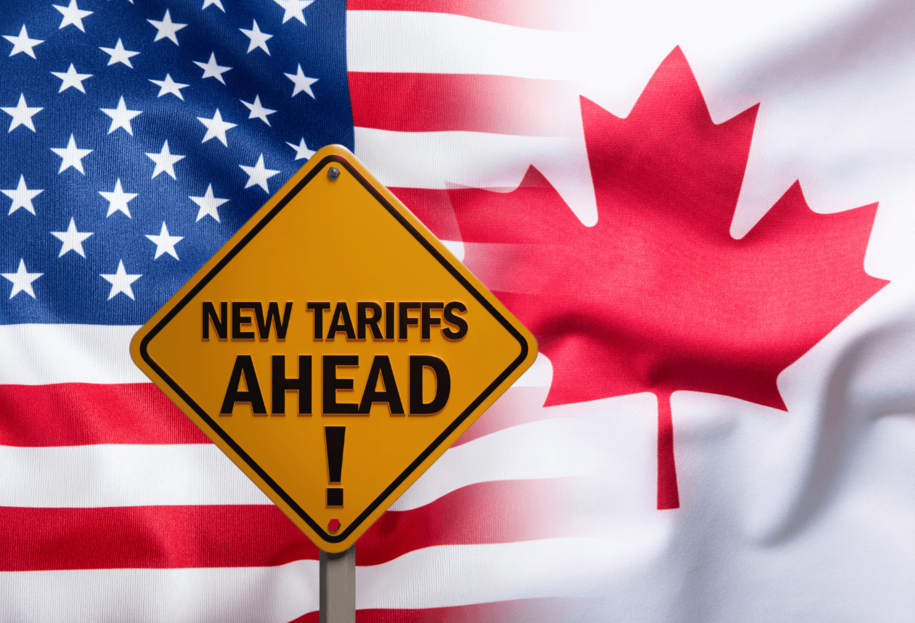
U.S. President Donald Trump announced Thursday evening that a 35% tariff will be imposed on Canadian imports starting August 1, citing concerns over the illegal flow of Fentanyl and what he described as unfair Canadian trade practices.
In a letter addressed to Canadian Prime Minister Mark Carney, Trump stated that the tariff would be implemented separately from other sector-specific duties, which target commodities and automobile imports.
Trump warned Ottawa against retaliating, stating the new measure was partly intended to pressure Canada into taking stronger action to stop the flow of Fentanyl into the U.S.—an issue he has raised previously.
He also criticized Canadian trade barriers, pointing to what he described as excessive tariffs—up to 400%—on U.S. dairy exports, which he argued limit American companies’ access to Canadian markets. Trump framed the trade imbalance as a national security threat.
“There will be no tariff if Canada, or companies within your country, choose to relocate production to the United States,” Trump wrote, adding that his administration would expedite approvals for such shifts in operations.
He also suggested that the 35% duty could be adjusted if Canada cooperates in addressing Fentanyl trafficking.
The move against Canada follows similar letters issued by Trump earlier in the week targeting other major economies, including South Korea and Japan, both of which are facing 25% tariffs starting August 1.
These tariffs align with Trump’s earlier “Liberation Day” announcement in April, though the implementation date was pushed back from July 9 to August 1 to allow more time for trade negotiations.
U.S.-Canada trade relations had shown signs of improvement in late June, following Canada’s decision to shelve a proposed digital services tax on American tech firms. The two nations also resumed high-level talks, though Canada has continued to push for broader exemptions from U.S. tariffs.
According to Bloomberg, products already covered under the U.S.-Mexico-Canada Agreement (USMCA) will remain exempt from the new tariffs.