The U.S. dollar rose to its highest level in over two weeks against the yen on Wednesday after President Donald Trump announced new 25% tariffs on Japan and other trading partners, and hinted at additional trade-related announcements to come.
On Tuesday, the dollar gained ground against other major currencies following Trump’s tariff threats set to begin on August 1. However, Trump later indicated he might consider delaying them if countries offered counterproposals.
As Asian markets opened, Trump posted on social media that he would be making announcements involving trade with at least seven countries, but he did not clarify whether these would be about new agreements or further details on tariffs.
Despite recent gains, the dollar index—measuring the currency against six major rivals—remains down over 6% since April 2, when Trump introduced his broad “Liberation Day” reciprocal tariffs, which initially rattled markets and were later largely deferred to allow time for bilateral negotiations.
Ray Attrill, head of FX strategy at National Australia Bank, noted that markets reacted negatively to the tariff news, viewing the potential damage to the U.S. economy as equal to or greater than that inflicted on others. This uncertainty has made investors hesitant to commit to a firm stance.
Further fueling market concerns, Trump announced a 50% tariff on imported copper and signaled plans to impose long-discussed tariffs on semiconductors and pharmaceuticals.
EU officials told Reuters that the bloc will not receive a tariff notification and may be granted exemptions from the standard 10% rate.
Japan, heavily reliant on exports, remains far from reaching a trade agreement with the U.S., weakening its currency as time runs short. Repeated negotiations have failed, and with an important election approaching, Japanese policymakers are turning their attention to domestic politics.
Rising expectations that opposition parties will gain influence and call for more fiscal spending have pushed Japanese government bond prices down and lifted long-term yields.
Analyst Tony Sycamore from IG noted that trade discussions are stalled, particularly over Japan’s protection of its rice market. He also pointed out that the dollar’s strength was supported by increasing U.S. yields and a jump in Japanese bond yields due to fiscal concerns ahead of the July 20 election.
U.S. Treasury Secretary Scott Bessent, a key figure in trade talks with Japan, is expected to attend the World Expo 2025 in Osaka later this month, potentially paving the way for renewed discussions.
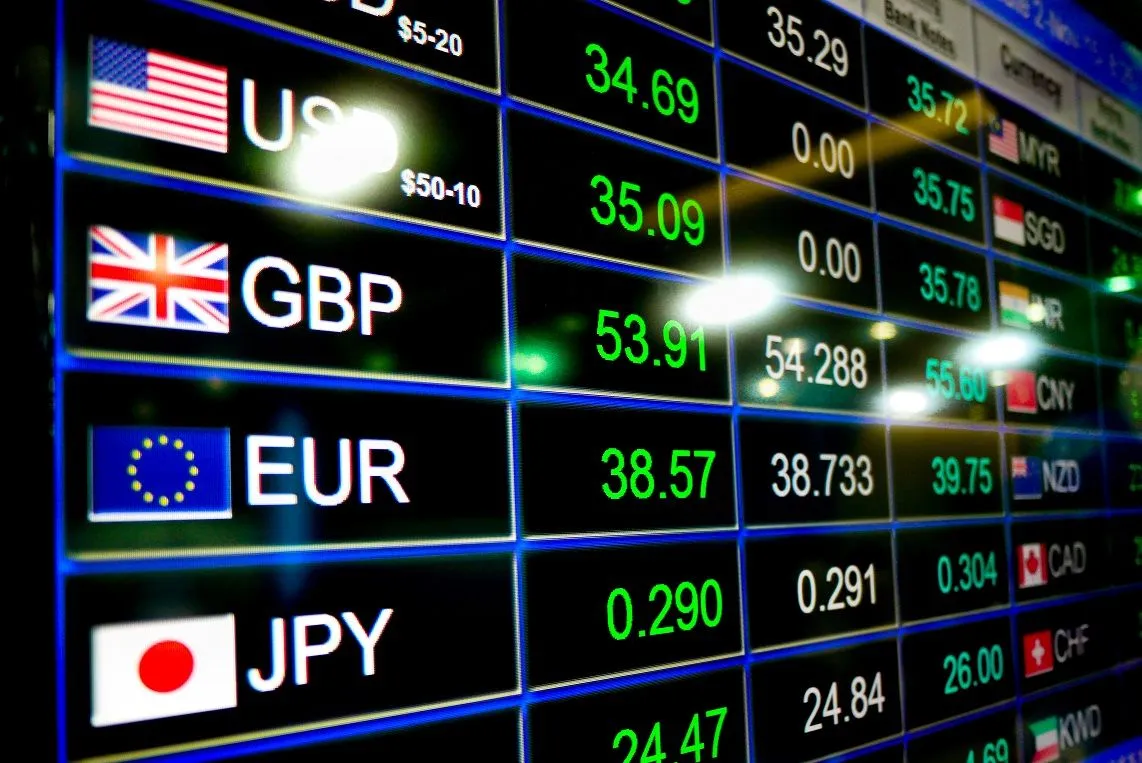
The dollar rose 0.4% to 147.12 yen, peaking at 147.19, its strongest since June 23. The euro slipped 0.2% to $1.1706, while the dollar index edged up 0.1%, marking its third straight day of gains. The British pound dropped 0.2% to $1.3569.
Meanwhile, the Australian dollar fell 0.2% to $0.6517 after a 0.6% rise on Tuesday, and the New Zealand dollar declined 0.2% to $0.5984.