South Korea to Accelerate US Trade Talks Ahead of Tariff Deadline
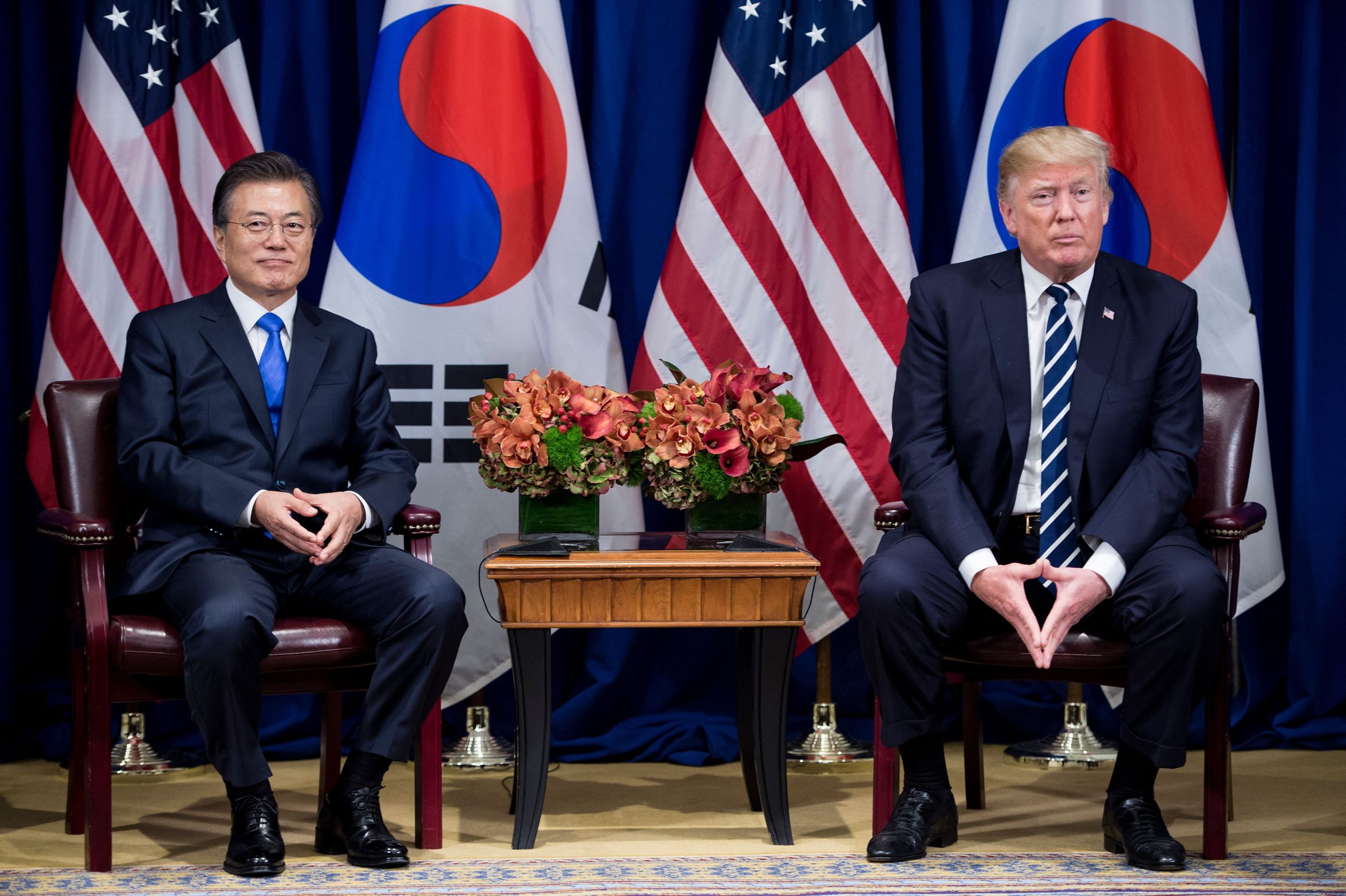
South Korea announced plans to intensify trade negotiations with the United States, viewing President Donald Trump’s proposed 25% tariff—set to take effect on August 1—as an informal extension of the grace period for talks.
Trump sent letters on Monday to Seoul and more than a dozen other trade partners outlining significant tariff hikes, marking the first major diplomatic test for newly elected President Lee Jae Myung, who took office just weeks ago.
According to Lee’s office, U.S. Secretary of State Marco Rubio indicated that the revised August 1 deadline—pushed back from July 9—provides a window for the two countries to strike a deal.
South Korea’s Industry Ministry said it would “step up negotiations in the remaining time to reach a result that benefits both sides.” The ministry also noted it would use the talks to review and improve domestic regulations, particularly to address the U.S.’s concerns about its trade deficit.
In 2024, South Korea posted a record $55.6 billion trade surplus with the U.S., a 25% increase from 2023, largely driven by a surge in automobile exports, according to Korea Customs Service data.
In his letter to President Lee, Trump criticized the trade relationship as “far from reciprocal,” and invited South Korea to submit a proposal to open its “previously closed markets” and eliminate both tariff and non-tariff trade barriers. He added that while all South Korean imports would face the 25% tariff, products manufactured within the U.S. would be exempt.
Although South Korea currently enjoys near-zero effective tariffs under a free trade agreement signed in 2007 and updated in 2018, Trump’s new measures could reshape the trade landscape, economists say.
Push for Concessions and Exemptions
In response to Trump’s letter, South Korea’s top trade negotiator, Yeo Han-koo, met with U.S. Commerce Secretary Howard Lutnick on Monday to continue high-level discussions. Yeo emphasized that any agreement must include exemptions or reductions in Trump’s proposed 25% tariff on automobiles and 50% tariff on steel if South Korea is to play a meaningful role in revitalizing U.S. manufacturing.
A senior South Korean trade official recently noted that Washington appears open to considering sector-specific exemptions—similar to concessions made with the UK—if Seoul presents a strong proposal to reduce its trade surplus.
Domestically, analysts say President Lee has room to negotiate, as the South Korean public is already familiar with Trump’s aggressive trade tactics. Political commentator Park Sang-byoung said citizens expect Lee to stand firm without letting South Korea fall behind regional rivals like Japan, Taiwan, or China. “Defend well but don’t be a pushover—that’s the message from the public,” he said.
Economist Kathleen Oh of Morgan Stanley added that greater clarity around U.S. demands—especially regarding non-tariff barriers and industrial partnerships—could improve Seoul’s chances of reaching a deal.
Investor optimism was reflected in the KOSPI stock index, which rose as much as 1.8% on hopes that South Korea would finalize an agreement before the tariffs take effect.
National Security Advisor Wi Sung-lac also met with Secretary Rubio on Monday, and both agreed that a summit between Presidents Lee and Trump could help move the negotiations forward. According to Lee’s office, Rubio expressed hope that the two governments would remain in close contact and reach a resolution before the August 1 deadline.