German Industrial Output Surpasses Expectations in May, Driven by Autos and Energy
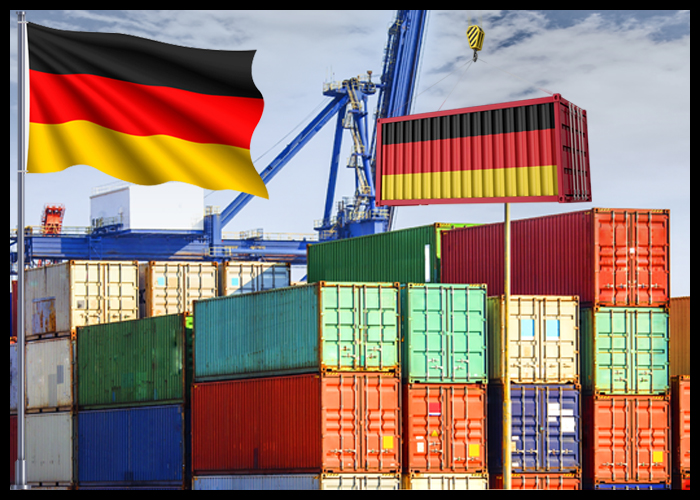
Germany’s industrial production grew more than anticipated in May, supported by strong performances in the automotive and energy sectors, according to data released Monday by the federal statistics office.
Output rose by 1.2% compared to April, outperforming economists’ expectations of no change, based on a Reuters poll.
Carsten Brzeski, ING’s global head of macroeconomics, noted that while it’s premature to declare a full recovery, signs of a cyclical rebound—albeit from low levels—are becoming more evident. However, he warned that short-term risks remain elevated due to trade tensions, a stronger euro, and unusually dry and hot weather that has lowered river water levels across Germany.
Cyrus de la Rubia, chief economist at Hamburg Commercial Bank, said the May uptick could signal the start of a recovery in manufacturing. Although current output remains below post-pandemic highs, he highlighted several months of consistent gains.
Ralph Solveen, senior economist at Commerzbank, added that production in April and May slightly exceeded the Q1 average, indicating potential momentum. While GDP is expected to show little to no growth in Q2, Solveen predicted expansion in subsequent quarters, aided by policy initiatives slated to take effect next year.
In response to a prolonged downturn, the German government recently approved a tax relief package aimed at encouraging investment and reigniting growth after two years of economic contraction.
In May, the automotive sector saw a 4.9% increase in output compared to April, while energy production surged 10.8%. The pharmaceutical industry also posted a strong 10% gain, contributing to the overall improvement.
Franziska Palmas, senior Europe economist at Capital Economics, attributed the pharmaceutical boost in part to front-loading of U.S. orders ahead of potential new tariffs. She also noted that other sectors have shown greater resilience to trade barriers than initially expected.
Over the March-to-May period, production rose 1.4% compared to the prior three months, according to the less volatile rolling three-month measure.
The statistics office revised April’s output decline to -1.6%, steeper than the previously reported 1.4% drop.
However, challenges remain. Industrial orders fell 1.4% in May, ending a recent upward trend, largely due to weakening demand from other eurozone countries. Palmas cautioned that the euro’s recent appreciation could further pressure German production in the months ahead.