President Trump Targets Elon Musk Over Plans for New Political Party
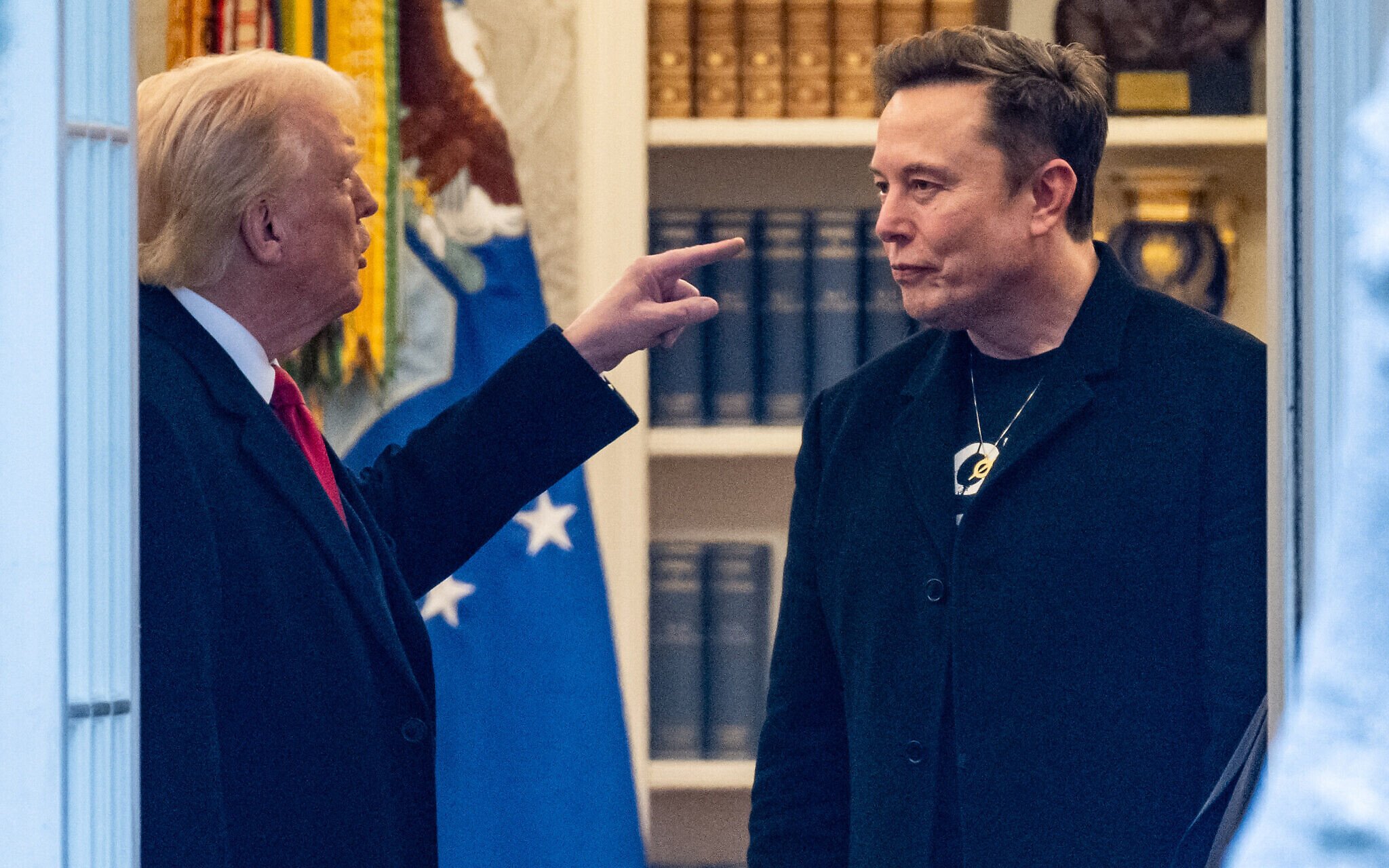
On Sunday, U.S. President Donald Trump sharply criticized Elon Musk, his former ally, in response to Musk’s announcement of plans to establish a third political party. The move escalates an already simmering conflict between the two figures.
In a lengthy and disjointed post on Truth Social, Trump expressed disappointment in Musk, claiming he was “saddened to watch Elon Musk go completely ‘off the rails.’” He condemned the Tesla CEO’s idea of launching a new political party, arguing that such efforts have historically failed in the United States.
“He even wants to start a Third Political Party, despite the fact that they have never succeeded in the United States… The one thing Third Parties are good for is the creation of Complete and Total DISRUPTION & CHAOS,” Trump wrote, also taking the opportunity to criticize Democrats.
Trump went on to promote his recently passed legislative achievement—referred to as his “big beautiful bill”—which eliminated a proposed electric vehicle mandate. He implied this was a setback for Musk, who leads Tesla, a major EV manufacturer.
The president further accused Musk of inappropriate behavior by allegedly lobbying for a Democratic associate to head NASA, citing a potential conflict of interest given Musk’s business ties to the agency.
Musk’s plans to launch a new party, dubbed the America Party, were announced on Saturday. The move underscored growing tensions between the billionaire and Trump, which have worsened since Musk began publicly opposing the president’s “big beautiful bill,” warning it could lead to national financial ruin.
Once a major backer of Trump’s 2024 campaign—donating hundreds of millions—and formerly head of the Department of Government Efficiency, Musk stepped down in May. Since then, the public friction between the two has intensified.
Whether Musk’s new party can challenge the longstanding dominance of the Republican and Democratic parties remains uncertain. Historically, third parties in the U.S. have struggled to gain momentum. For example, the Libertarian Party—currently the nation’s third-largest by voter registration—has no congressional representation and had fewer than 700,000 registered voters as of 2020.