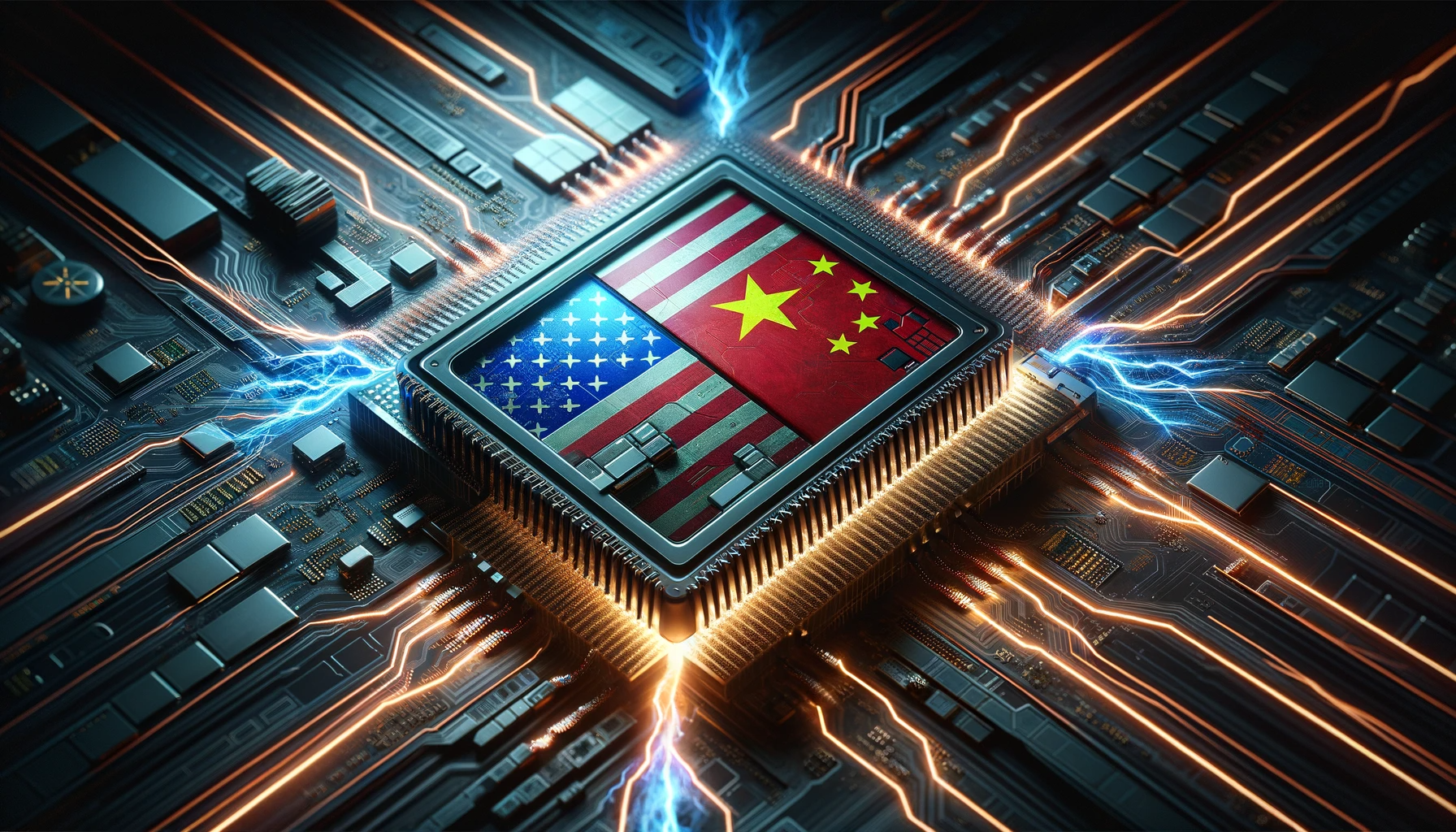
Shares of Synopsys (NASDAQ: SNPS) and Cadence Design Systems (NASDAQ: CDNS) surged on Thursday after the U.S. government lifted restrictions on chip design software exports to China, reducing uncertainty surrounding access to a vital market.
The restrictions, imposed in late May, had effectively cut off Chinese sales, which account for over 10% of revenue for major players in the electronic design automation (EDA) industry. The move negatively impacted earnings forecasts and caused stock prices to decline.
According to analysts at Mizuho, the resumption of exports means Synopsys and Cadence are now expected to lose only one month of revenue in the current quarter. The easing of trade tensions may also pave the way for China’s long-delayed approval of Synopsys’s $35 billion acquisition of engineering software firm Ansys (NASDAQ: ANSS), they noted.
Synopsys shares rose 5.5%, recovering some of the ground lost when the company withdrew its guidance in May due to the export curbs. On Wednesday, Synopsys said it is still reviewing the financial impact of those restrictions.
Cadence gained 6.1%, hitting a record high of $330.09, while Ansys rose about 3.5%. Meanwhile, Germany’s Siemens (ETR: SIEGn)—the third major player in the EDA market—climbed 1.5% in Frankfurt trading.
“This reflects a clear thaw in U.S.-China tech tensions and a minor ceasefire in the ongoing chip war,” said Susannah Streeter, head of money and markets at Hargreaves Lansdown (LON: HRGV).
However, she cautioned that the move should not be interpreted as a broader policy shift regarding high-end chip exports from firms like Nvidia (NASDAQ: NVDA).
“Washington remains wary of China’s rapid tech advancements and potential misuse of U.S. intellectual property,” she added.
Over recent years, successive U.S. administrations have worked to limit China’s access to advanced American chip technology, citing concerns over national security and military applications.
At the same time, the restrictions have fueled China’s domestic chip design efforts, supported by state subsidies, and raised fears of retaliation—particularly in the form of delays to critical U.S. mergers like the Synopsys-Ansys deal.
While the merger has already received approval in all required jurisdictions except China, both companies say the July 15 deadline remains in place, though there is an option to extend the timeline until January if necessary.