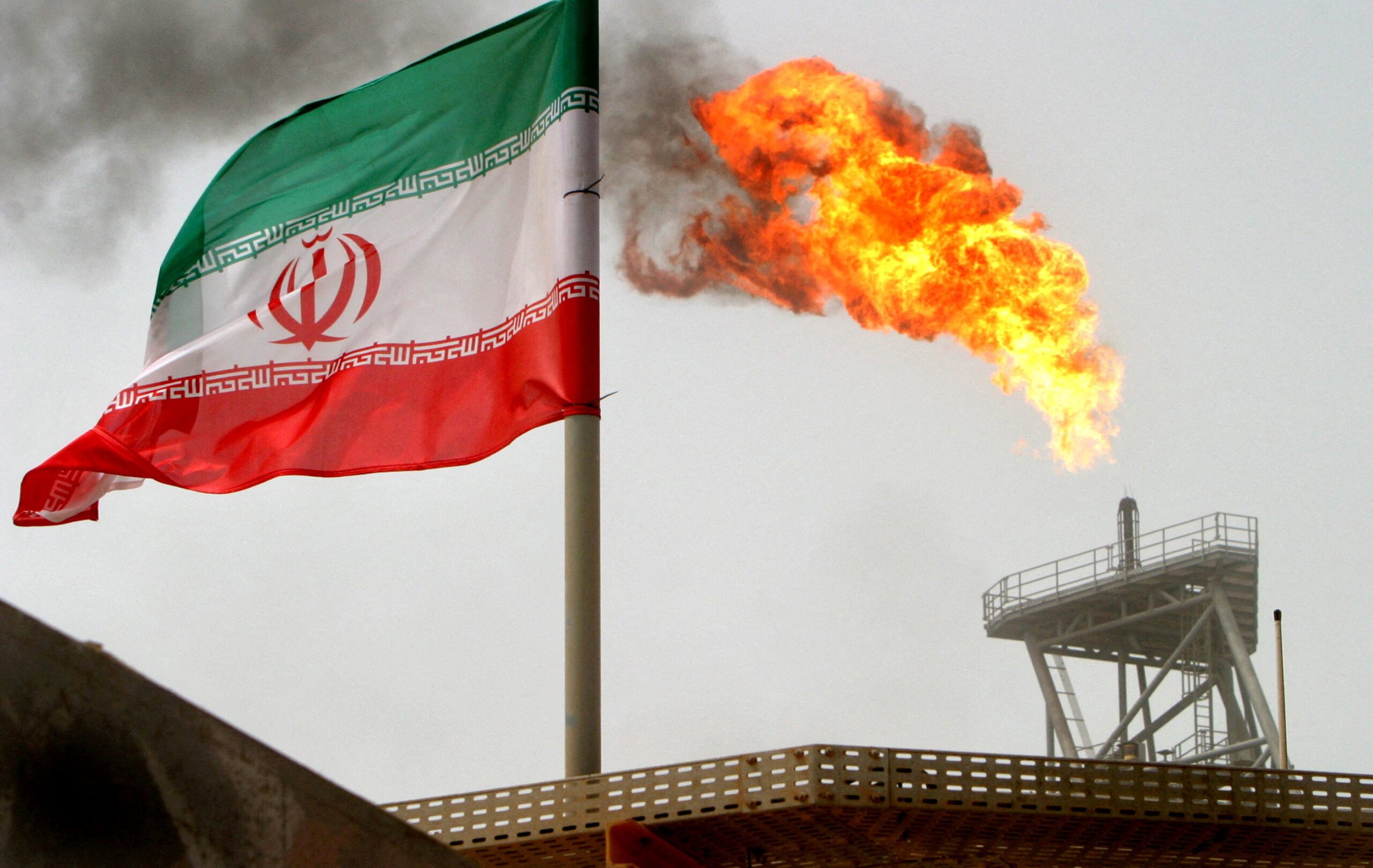
Investors Brace for Volatility as U.S. Strikes on Iran Raise Oil, Inflation Fears
A U.S. strike on Iran’s nuclear facilities is expected to send oil prices higher and trigger a swift move into safe-haven assets, according to market participants assessing the broader implications of escalating Middle East tensions.
While Middle East stock markets—which trade on Sundays—reacted with relative calm, with indexes in Qatar, Saudi Arabia, and Kuwait edging up and Israel’s Tel Aviv index hitting a record high, investors globally are anticipating a more volatile response once major markets reopen.
In a televised address, President Donald Trump called the airstrikes “a spectacular military success,” claiming Iran’s key nuclear sites were “completely and totally obliterated.” He warned of further strikes if Iran refused peace.
Iran, in turn, warned of “everlasting consequences” and asserted its right to self-defense.
Despite the immediate calm in regional markets, investors believe the broader global impact could be severe.
“Markets will likely be rattled at the open, and oil prices will surge,” said Mark Spindel, CIO at Potomac River Capital.
“There’s still a lot we don’t know. The uncertainty will weigh heavily, particularly on oil and risk assets.”
Spindel also warned that the U.S. is now more directly involved, which could expose American interests and heighten global volatility.
Safe-Haven Shift and Crypto Reaction
A potential indicator of investor sentiment, Ether, the second-largest cryptocurrency, fell 5% on Sunday, bringing its losses to 13% since the start of Israeli strikes on June 13.
Oil, Inflation, and the Economic Risk
The biggest immediate concern is a spike in oil prices, which could feed inflation, weaken consumer confidence, and complicate the outlook for interest rate cuts.
Saul Kavonic, energy analyst at MST Marquee, said Iran could retaliate by targeting U.S. interests or Gulf oil infrastructure, such as facilities in Iraq or disrupting shipping through the Strait of Hormuz, a key global oil transit route.
“If Iran responds as they’ve threatened, we could be heading toward $100 oil,” Kavonic noted.
Brent crude futures have already surged 18% since June 10, hitting a five-month high of $79.04 last Thursday. In contrast, the S&P 500 has remained mostly flat after a brief dip when Israel began its strikes.
Short-Term Shock, Long-Term Recovery?
Jamie Cox of Harris Financial Group believes oil prices could initially spike, but may stabilize quickly if Iran shifts toward diplomacy.
“They’ve lost their leverage with this blow to their nuclear capabilities,” Cox said. “They may seek a peace deal now.”
While a jump in oil could strain an already fragile global economy—still adjusting to Trump-era tariffs—history suggests that stock market downturns during such crises are often temporary.
Wedbush Securities data shows that after previous Middle East conflicts (e.g., Iraq in 2003, Saudi oil attacks in 2019), the S&P 500 averaged a 0.3% drop in the first three weeks, but was up 2.3% two months later.
Dollar Outlook Mixed Amid Geopolitical Risk
The U.S. dollar, under pressure this year due to concerns about weakening U.S. dominance, may gain short-term support as a safe-haven in the event of further escalation.
“If there’s a flight to safety, we could see yields drop and the dollar strengthen,” said Steve Sosnick, chief strategist at IBKR.
“It’s hard to see equities not reacting negatively. The market response depends heavily on Iran’s next move and whether oil prices spike.”