S&P 500 Slides as Weak Retail Data and Iran-Israel Tensions Rattle Markets
U.S. stocks fell on Tuesday as investors reacted to disappointing retail sales figures and growing geopolitical risks tied to the escalating conflict between Israel and Iran. President Donald Trump intensified tensions further by calling for Iran’s “unconditional surrender.”
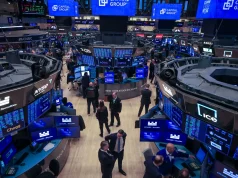
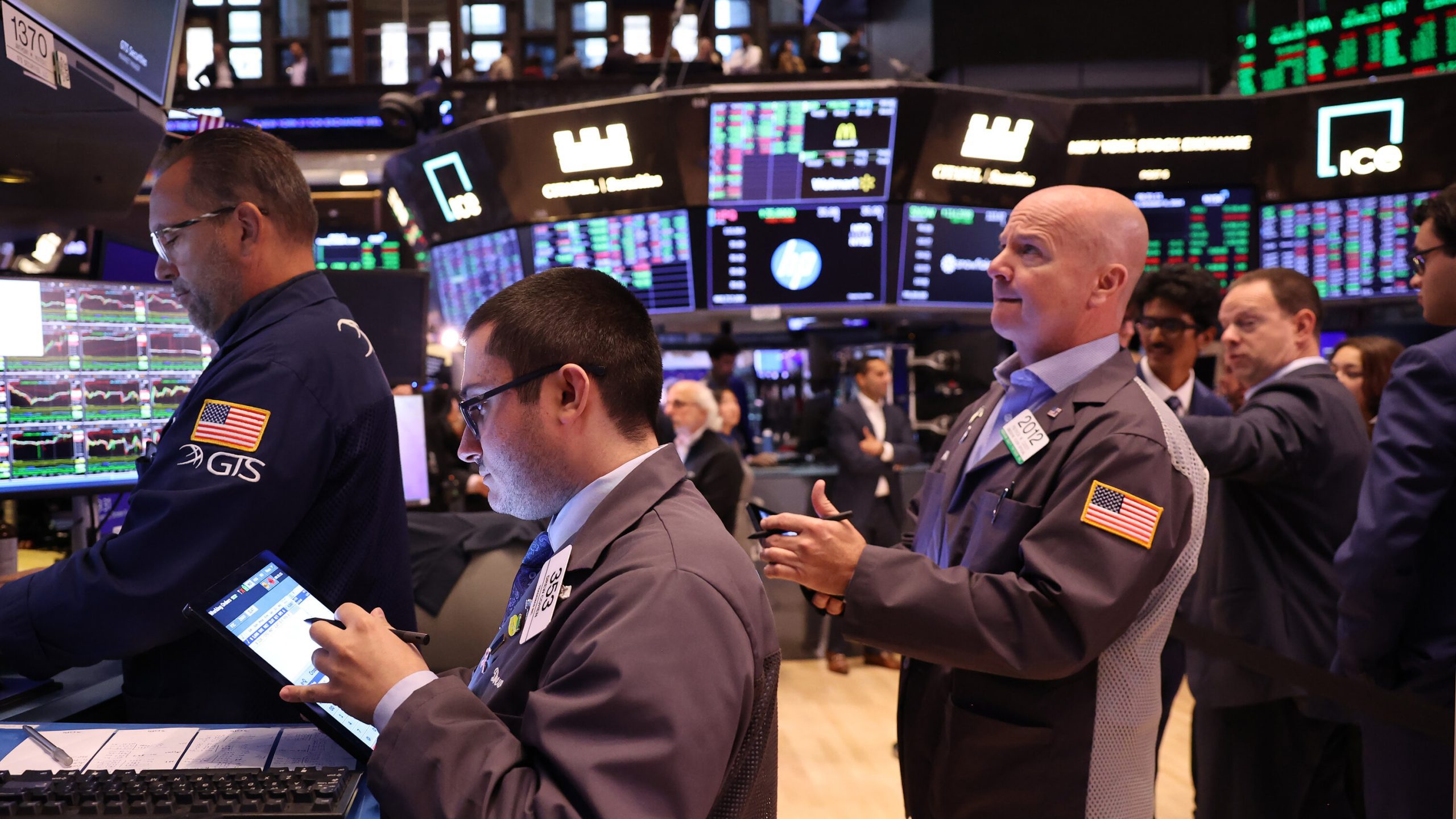
By 2:57 p.m. ET (18:57 GMT), the Dow Jones Industrial Average had dropped 335 points (0.8%), while the S&P 500 and NASDAQ Composite each fell by 0.8% and 0.9%, respectively.
Trump Escalates Rhetoric Against Iran
In a social media post, Trump claimed the U.S. has “complete and total control” over Iranian airspace, despite not being directly involved in the conflict. He praised American-made military technology supplied to Israel and criticized Iran for failing to agree to past nuclear agreements, insisting that Tehran must not enrich uranium under any circumstances.
Trump, who left the G7 summit in Canada early, said the departure was unrelated to ceasefire discussions and hinted vaguely at a larger issue without offering further details. Before his exit, G7 leaders had issued a joint statement supporting Israel and condemning Iran as a destabilizing force in the region.
Fed Meeting Begins Amid Economic Worries
Meanwhile, the Federal Reserve began its two-day policy meeting, with most analysts expecting interest rates to remain unchanged. Investors are watching closely for comments from Chair Jerome Powell on future policy moves, especially in light of cooling inflation and continued economic resilience.
However, recent data raised fresh concerns: U.S. retail sales fell 0.9% in May—more than the 0.7% drop forecast—following a revised 0.1% decline in April. A drop in car sales, which had surged earlier due to fears of tariff-related price hikes, contributed heavily to the downturn.
Trump’s sweeping tariffs have increased worries over global growth and added to the Fed’s policy uncertainty.
Japan, Amazon, and Corporate Moves
Earlier Tuesday, the Bank of Japan held interest rates steady and announced it would reduce the pace of its bond purchases in the next fiscal year.
On the corporate front, Amazon (NASDAQ: AMZN) extended its annual Prime Day event to four days, from July 8 to July 11, based on customer feedback requesting more time to shop.
Elsewhere, biotech firm Verve Therapeutics (NASDAQ: VERV) surged on news that Eli Lilly (NYSE: LLY) may acquire the company in a deal valued up to $1.3 billion.
In the energy sector, solar companies including Enphase Energy (NASDAQ: ENPH), Sunrun (NASDAQ: RUN), First Solar (NASDAQ: FSLR), and SolarEdge Technologies (NASDAQ: SEDG) tumbled after the U.S. Senate proposed phasing out solar, wind, and other clean energy tax credits by 2028 as part of changes to Trump’s tax bill.
Conversely, nuclear energy stocks such as Oklo (NYSE: OKLO) and Nano Nuclear Energy (NASDAQ: NNE) rose after the Senate voted to extend nuclear tax credits through 2036.
Oil Prices Climb on Conflict and IEA Outlook
Crude oil prices rose sharply Tuesday as hopes for a swift ceasefire between Iran and Israel faded. President Trump’s call for people to evacuate Tehran stoked additional market fears.
Boosting oil further, the International Energy Agency (IEA) forecasted continued global oil demand growth until the end of the decade, peaking in 2029 at 105.6 million barrels per day before declining slightly in 2030. Simultaneously, global production capacity is projected to reach 114.7 million bpd by 2030.