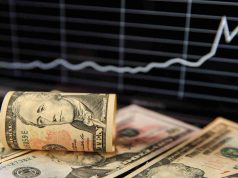
The U.S. dollar strengthened on Friday as investors fled to safety following Israel’s broad military strikes on Iran, which triggered retaliatory drone attacks from Tehran. This surge in geopolitical tension sparked increased demand for traditional safe-haven assets, including U.S. Treasury bonds and gold.
Israel stated it had targeted multiple military sites across Iran, prompting an immediate response from Iran in the form of a large drone barrage.
“This latest geopolitical flare-up adds further uncertainty to an already fragile market environment,” said Charu Chanana, chief investment strategist at Saxo. “The critical issue now is whether this is a short-lived escalation or the start of a wider regional conflict. If tensions continue to mount—especially if oil transit routes are threatened—risk aversion could deepen, pushing up crude prices and demand for safe-haven assets.”
Meanwhile, U.S. and Iranian officials were scheduled to resume nuclear talks in Oman on Sunday, aimed at addressing Tehran’s uranium enrichment program. Israel’s ambassador to the United Nations said the decision to strike Iranian targets was made independently of U.S. involvement.
The U.S. dollar index, which tracks the greenback against six major currencies, rose 0.61% to 98.28. The Japanese yen and Swiss franc, both traditional safe-haven currencies, held steady after rising roughly 0.5% earlier in the day.
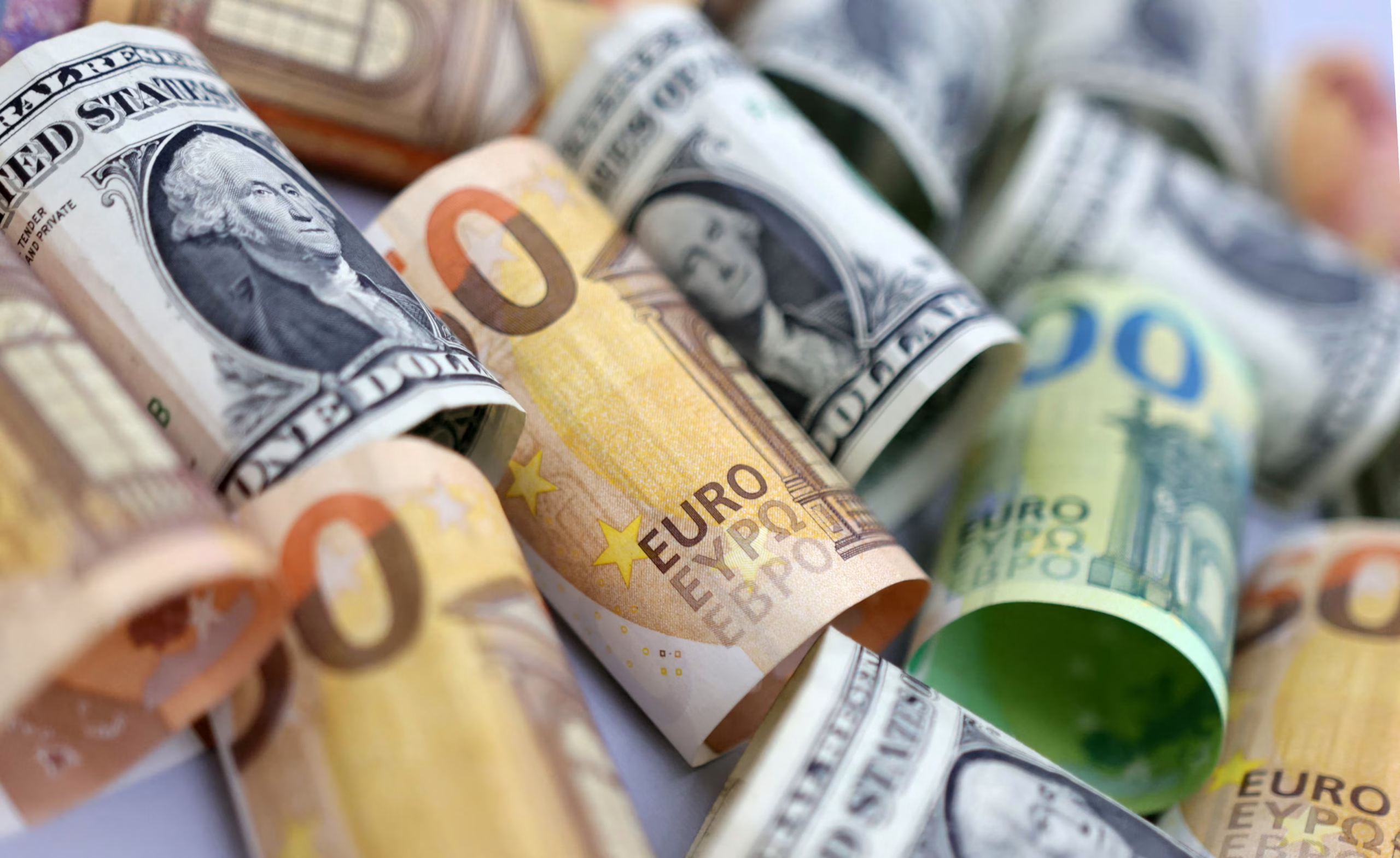
The dollar posted its biggest gains against risk-sensitive currencies, with the Australian and New Zealand dollars both falling around 1%. The euro gave up a four-day rally, slipping 0.5% to $1.1528.
In the bond market, heightened demand for U.S. Treasuries pushed the yield on the 10-year note down by as much as 4.7 basis points, touching a low of 4.31%—its lowest in over a month. Gold also advanced 1.1%, reaching its highest level since early May.
Dollar Heads for Weekly Loss Despite Geopolitical Lift
Despite Friday’s rebound, the dollar index remained near its lowest level since March 2022, as markets continued to weigh the limited progress from a U.S.-China trade truce. President Donald Trump added to the uncertainty, indicating he would soon propose new unilateral trade terms.
The dollar index is set to decline nearly 1% for the week—its steepest weekly drop in over three weeks—with losses registered against the yen, Swiss franc, and euro.
“Geopolitical headlines may briefly interrupt the dollar’s downward trend and pressure risk-linked currencies heading into the weekend,” said Christopher Wong, strategist at OCBC.
Two recent U.S. inflation reports showing subdued price pressures have fueled expectations for more aggressive rate cuts by the Federal Reserve. However, analysts cautioned that new tariffs could eventually drive prices higher.
Crude oil prices spiked over $5 per barrel following the Israeli strikes, as fears mounted over supply disruptions in the volatile Middle East, potentially adding to inflation risks.
Investors will be watching for the University of Michigan’s preliminary consumer sentiment survey due later Friday, along with final inflation readings from Germany, France, and Spain.
Central bank decisions from the Federal Reserve, Bank of Japan, and Bank of England are expected next week and could provide more insight into future rate paths.
The heightened risk aversion also spilled over into cryptocurrencies. Bitcoin fell 1.5% to $104,336, while Ether dropped more than 4.7% to $2,516.