U.S. consumer prices rose more slowly than expected in May, despite growing concerns over the inflationary effects of President Donald Trump’s aggressive tariff strategy.
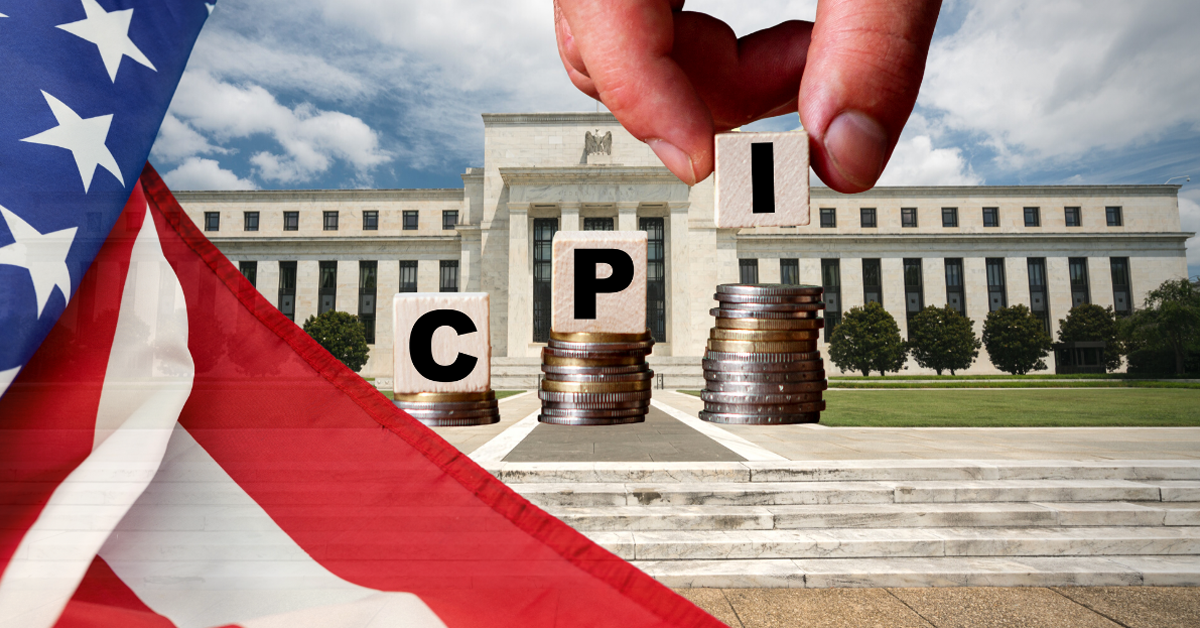
According to the Labor Department, the Consumer Price Index (CPI) rose 2.4% year-over-year, slightly above April’s 2.3% but below economists’ expectations of 2.5%. On a monthly basis, inflation slowed to 0.1%, missing projections of 0.2%.
The Bureau of Labor Statistics reported that rising shelter costs were the primary driver of May’s price increases, although falling gasoline prices led to a 1% decline in energy costs, helping to moderate the overall figure.
Core CPI, which excludes volatile food and energy prices, held steady at 2.8% year-over-year and dipped to 0.1% month-over-month—both softer than anticipated.
Investors had been increasingly concerned that Trump’s sweeping tariffs might intensify inflationary pressures and hinder economic momentum. While the president postponed higher “reciprocal” duties for most nations, a 10% baseline tariff and increased levies on imports such as steel, aluminum, and automobiles remain in place. Analysts have pointed out that the overall U.S. tariff rate has surged significantly since Trump resumed office in January.
These tariffs have created a dilemma for the Federal Reserve: hiking interest rates could help curb inflation, but might also slow broader economic activity. At the same time, Trump has publicly pressured Fed Chair Jerome Powell to lower rates rapidly, raising questions about the central bank’s independence.
Amid this uncertainty, the Fed has maintained its benchmark rate in the 4.25%–4.5% range, adopting a cautious, data-dependent stance. Markets now anticipate that any further rate cuts will likely be delayed until at least September.
Despite heightened trade tensions, CIBC Economics analysts noted that inflation remained relatively subdued in May. In a research note, they suggested that U.S. firms might be absorbing tariff costs in hopes of a de-escalation in the trade conflict.
However, they warned that if current tariffs become a long-term feature of U.S. trade policy, subdued inflation may not persist—and the Fed could remain on hold until December.