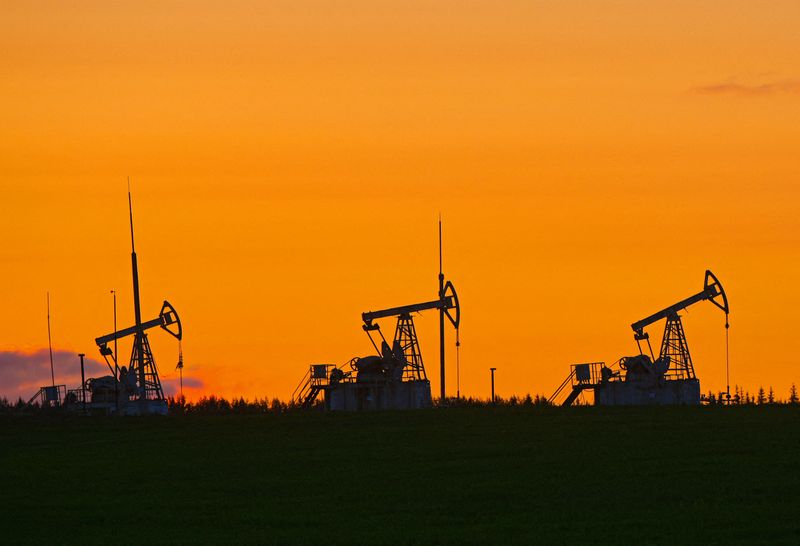
Oil prices edged higher on Tuesday, bolstered by ongoing supply concerns and a weaker U.S. dollar, as reports emerged that Iran is likely to reject a proposed U.S. nuclear deal that could have eased sanctions on its oil exports.
Brent crude futures rose by 12 cents, or 0.19%, to $64.75 per barrel by 06:27 GMT, while U.S. West Texas Intermediate (WTI) crude increased 20 cents, or 0.32%, to $62.72, following earlier gains of around 1%.
The oil market extended Monday’s rally, driven by escalating geopolitical risks and a smaller-than-expected production increase from OPEC+, according to a note from ING analysts. They noted the momentum carried into early Tuesday trading.
On Monday, both benchmarks surged nearly 3% after OPEC and its allies (OPEC+) decided to maintain their July output hike at 411,000 barrels per day—less than many market participants had feared, matching increases from the past two months.
“Markets were relieved that a more aggressive production boost didn’t materialize, leading to a reversal of bearish positions built ahead of the weekend,” analysts at ANZ explained.
Meanwhile, the U.S. dollar hovered near six-week lows amid uncertainty over President Donald Trump’s tariff plans, which investors worry could hamper growth and reignite inflation.
A weaker dollar generally benefits commodities like oil, making them cheaper for international buyers. “Crude continues to gain traction, helped by the softer dollar,” said Priyanka Sachdeva, senior analyst at Phillip Nova.
Geopolitical concerns further buoyed oil prices. An Iranian diplomat said Monday that Tehran would likely reject a U.S. nuclear agreement proposal, criticizing it for failing to accommodate Iran’s demands on uranium enrichment. A collapse in these talks would likely keep sanctions in place, restricting Iranian oil exports.
Additionally, wildfires in Alberta, Canada, have disrupted oil and gas operations. Reuters estimates the blazes have impacted over 344,000 barrels per day of oil sands production—around 7% of Canada’s total output—adding to supply-side pressures.