Stock investors are cheering what Ed Yardeni describes as a dramatic shift in U.S. President Donald Trump’s economic strategy—moving away from trade protectionism toward actively championing American technology and aerospace exports in global markets.
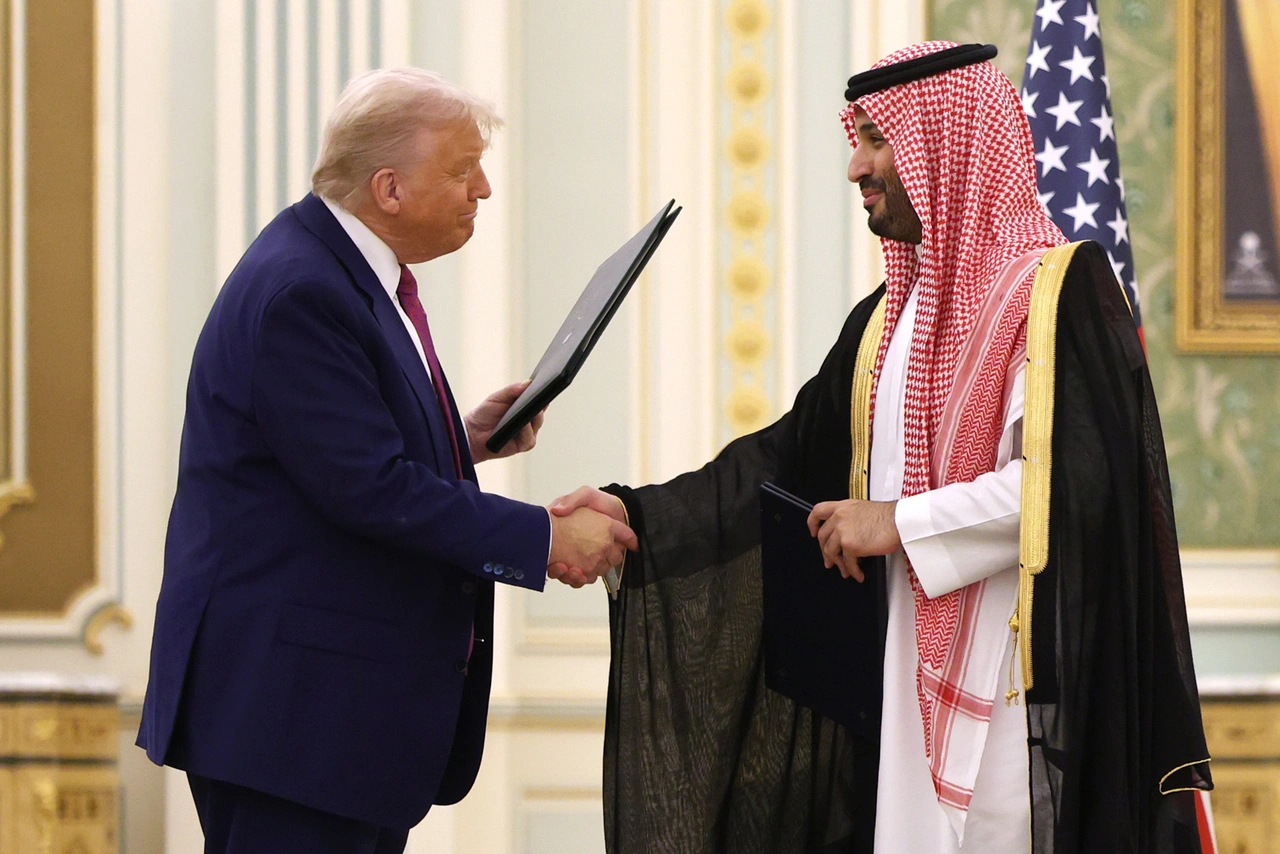
In a recent blog post, Yardeni emphasized how positively the markets have reacted to Trump’s diplomatic tour through the Middle East, during which major contracts were secured for U.S. tech and aviation firms.
In Qatar, Trump revealed a landmark order from Qatar Airways for 160 Boeing jets—hailed as the biggest in the company’s history. Meanwhile, in Saudi Arabia, NVIDIA CEO Jensen Huang announced a deal to provide over 18,000 top-tier AI chips to local startup Humain. That firm also signed agreements with AMD and Amazon Web Services during the president’s visit.
“Investors appear much more optimistic now that Trump has shifted his focus from punitive tariffs to promoting U.S. semiconductors and aircraft,” Yardeni noted.
This policy turn aligns with a sharp recovery in semiconductor stocks. The S&P Semiconductors Select Industry Index, which had dropped 35.1% from its January peak to an April low, has rebounded by 43.6% and now sits just 6.8% below its previous high.
Yardeni attributes this rebound in part to waning concerns over excessive datacenter capacity and a surge in investment in AI infrastructure from the Middle East.
He also highlighted that projected earnings for the chip sector have hit new highs, bolstering his firm’s bullish stance on Information Technology—alongside Communication Services, Financials, and Industrials.
With global semiconductor sales running at record pace and rising demand from countries like Saudi Arabia, Yardeni maintains a strong outlook for the industry.
“Worries that a surplus of datacenters would weigh on chip sales are easing,” he wrote, “particularly as nations like Saudi Arabia ramp up their data infrastructure.”