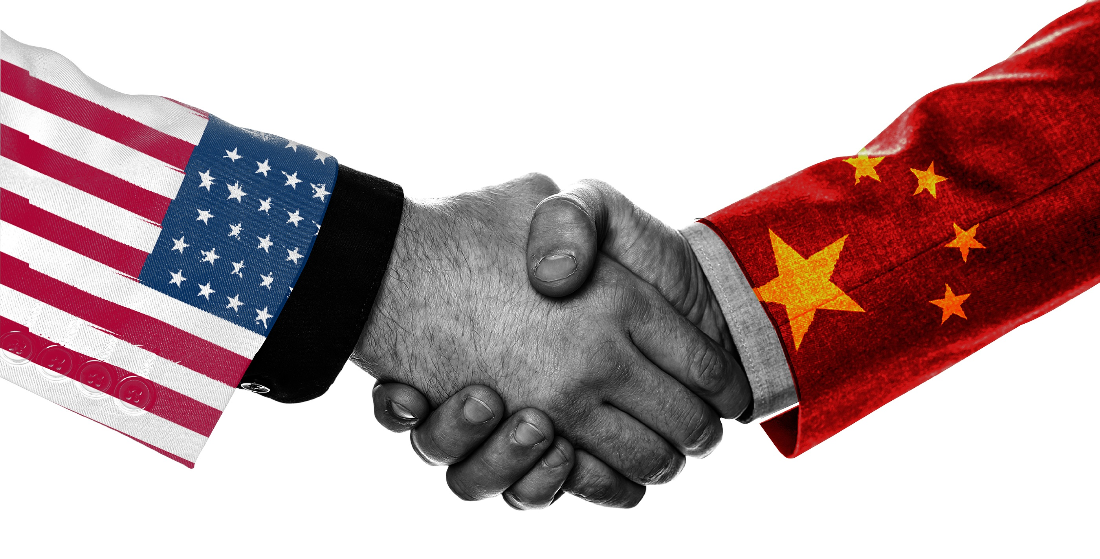
U.S. Treasury Secretary Scott Bessent and Trade Representative Jamieson Greer are set to meet with their Chinese counterparts for trade talks in Switzerland this week, according to statements released by their offices on Tuesday.
Bessent and Greer will also hold talks with Swiss President Karin Keller-Sutter, in addition to meeting officials from the People’s Republic of China to discuss trade issues. Both U.S. officials are scheduled to arrive in Switzerland on May 8.
“I’m looking forward to productive discussions as we work to rebalance the international economic system in a way that better supports U.S. interests,” Bessent said in a statement.
According to NBC, China’s Foreign Ministry confirmed that Vice Premier He Lifeng, China’s top negotiator on U.S.-China trade matters, will meet with Bessent in Switzerland.
These talks could signal a possible easing of tensions in U.S.-China relations, which have been strained following a heated trade war that escalated in April. President Donald Trump had imposed 145% tariffs on Chinese imports, prompting Beijing to retaliate with 125% tariffs on U.S. goods.
The tit-for-tat tariffs rattled global financial markets and raised fears of broad economic fallout, with recent economic data from both countries already showing signs of strain.
U.S. stock futures, which had been under pressure Tuesday evening, rebounded following the announcement of the negotiations. By 7:15 p.m. ET (11:15 p.m. GMT), S&P 500 futures were up 0.7%.
The decision to hold talks in Switzerland follows recent signals from both Chinese and U.S. officials expressing a willingness to negotiate. Bessent has consistently argued that the current level of tariffs is unsustainable and has voiced expectations that tensions could ease soon.
However, it remains uncertain whether these discussions will ultimately lead to a de-escalation of the trade dispute, given the current low point in U.S.-China relations.
On Tuesday, President Trump also remarked that he was in no rush to finalize any trade deals, as his administration was engaged in negotiations with multiple nations. While Trump announced steep “reciprocal” tariffs in April, he granted exemptions to all countries except China.