El Salvador Reaffirms Commitment to Bitcoin Accumulation Despite Chivo Wallet Retirement
Key Points:
- Despite selling its Chivo wallet and IMF pressures, El Salvador remains committed to Bitcoin as legal tender and plans to continue accumulating BTC for its reserves.
- A $1.4 billion IMF deal imposes restrictions on Bitcoin usage in the private sector and limits public sector involvement.
- Despite government efforts, a majority of Salvadorans have not used Bitcoin in the past year.
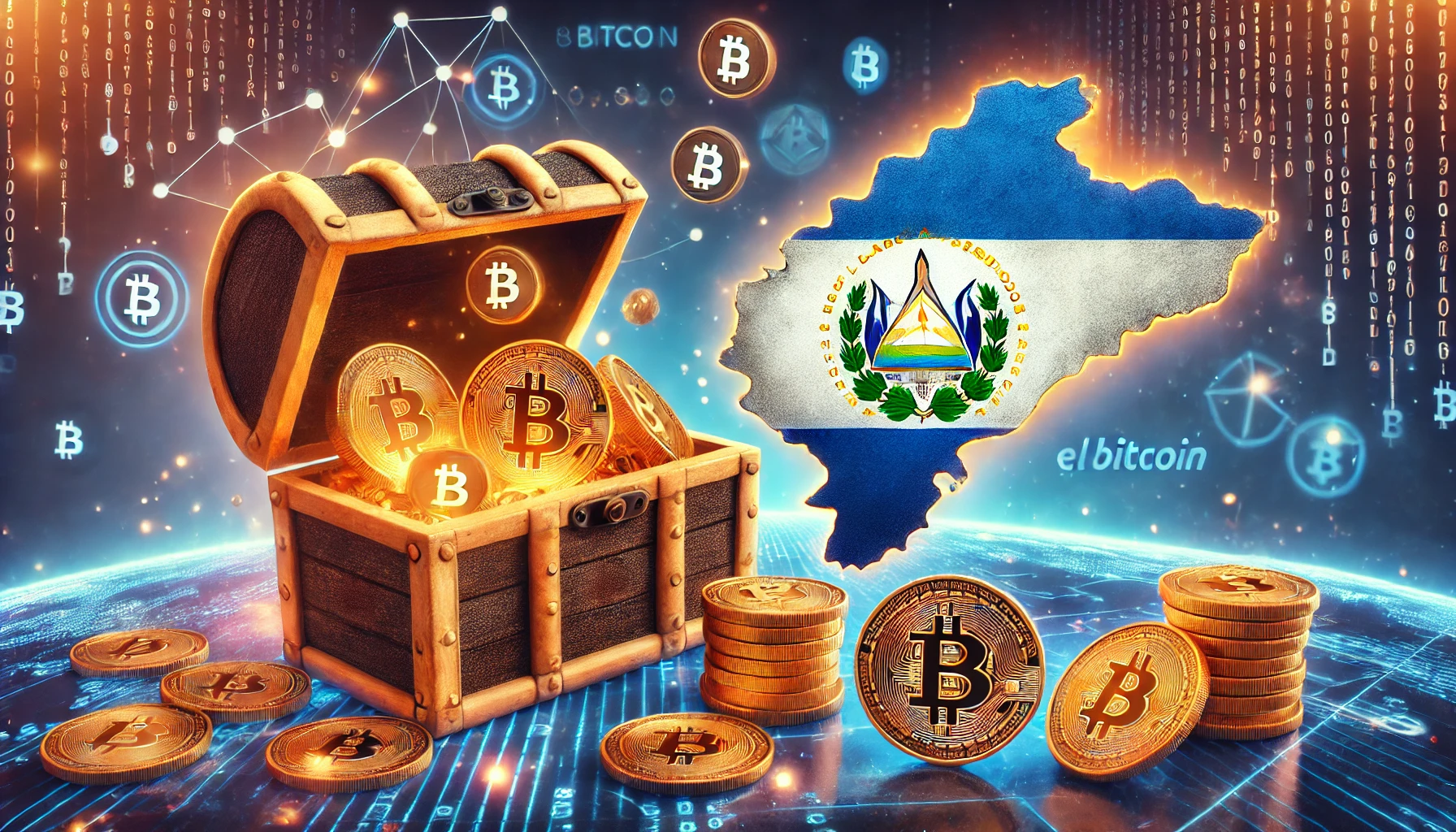
El Salvador has reaffirmed its dedication to Bitcoin despite plans to retire its official digital wallet, Chivo. This announcement follows the country’s recent $1.4 billion loan agreement with the International Monetary Fund (IMF), which requires scaling back certain Bitcoin policies to secure the funding.
Commitment to Bitcoin and Strategic Reserves
As part of the IMF deal, El Salvador agreed to reduce its Bitcoin-related initiatives, particularly with the Chivo wallet, which is set to be sold or retired. Despite these adjustments, Stacey Herbert, Director of the National Bitcoin Office, emphasized that Bitcoin remains central to the country’s financial strategy. The government plans to accelerate its Bitcoin purchases, continuing to add to its reserves, which currently total 5,968.77 BTC, valued at approximately $596 million. The nation also plans to buy one Bitcoin daily.
While the IMF mandates voluntary Bitcoin use in the private sector and limits public sector involvement, the government intends to maintain key Bitcoin initiatives, including developing Bitcoin capital markets and expanding educational programs.
Low Adoption Rates Despite Incentives
El Salvador became the first country to adopt Bitcoin as legal tender in September 2021, a move met with skepticism from the IMF due to the cryptocurrency’s volatility. A 2023 survey revealed that 88% of Salvadorans had not used Bitcoin in the past year, signaling low adoption rates despite government incentives such as a $30 Bitcoin bonus for Chivo wallet sign-ups. Over 60% of users never made a single transaction.
Optimism Amid Challenges
President Nayib Bukele remains optimistic about Bitcoin’s future in the national economy, recently celebrating its price surge past $100,000. Additionally, Bitget, a cryptocurrency exchange, became the first licensed Bitcoin Service Provider under the Central Bank of El Salvador. Bukele also highlighted the unrealized profit of $362 million generated from the country’s Bitcoin holdings.
Despite the IMF-imposed adjustments, El Salvador is determined to uphold Bitcoin as legal tender and integrate it into its economic strategy. The government plans to expand Bitcoin’s role in key sectors while continuing its efforts to encourage adoption.