Russia’s new crypto mining laws have addressed a “regulatory vacuum,” yet many legal uncertainties persist.
Russian President Vladimir Putin recently signed legislation setting up a framework for crypto mining in Russia. While the laws define basic terms and establish controls, industry experts clarify that crypto mining isn’t fully “legalized” but rather regulated under stricter conditions.
The first law, signed in August, defines terms like mining and mining pools, introduces registration requirements for mining businesses, and restricts foreign entities from mining within Russia. The second law, effective March 2025, governs mining activity and digital currency circulation but doesn’t offer comprehensive legalization.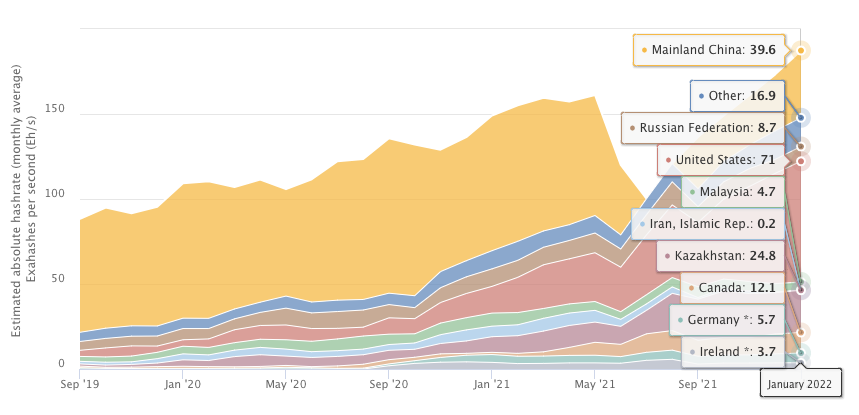
Notable Points:
- Lack of Full Legalization: According to Nikita Zuborev, chief analyst at BestChange, the laws introduce a regulatory structure, but “full legalization” is absent, merely easing control over industrial mining.
- Operating Outside the ‘Gray Area’: Attorney Anna Maximenko of KKMP Legal explains that, while mining wasn’t previously banned, the absence of regulation left miners in a “gray area.” The new laws define miners’ activities but also restrict foreign miners and certain power industry operators from engaging in mining.
- New Mining Restrictions: The laws allow the government to ban mining in regions with limited power, such as South-West Siberia and the Far East. The legislation also prohibits public advertisements of crypto services, although buying, storing, and selling crypto is allowed through exchanges.
- Legal Uncertainty on Selling Mined Coins: The laws don’t clarify how to legally sell mined digital assets, leaving this for future regulatory acts.
These regulatory steps come after Russia’s 2021 “On Digital Financial Assets” law, which recognized cryptocurrencies but banned their use for payments. The gradual shift toward a clearer framework reflects Russia’s approach to tightening control over the crypto mining sector while leaving certain aspects unresolved.