BCA Research Warns Recession Risks Are Rising Despite Global Economic Resilience
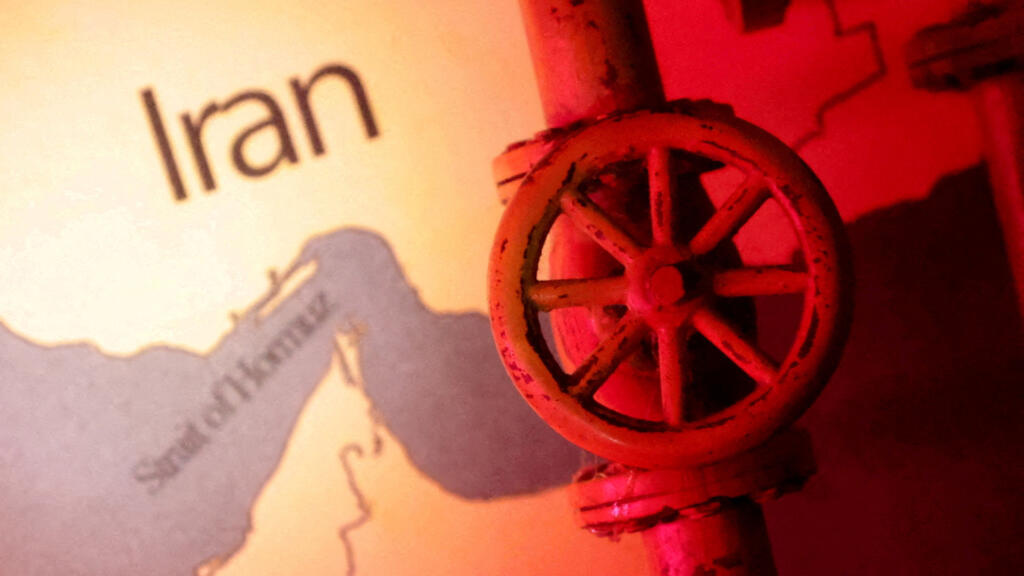
The global economy has remained surprisingly resilient following the closure of the Strait of Hormuz, but analysts at BCA Research are warning that the risk of a recession could rise sharply if the disruption continues into June.
Chief Strategist Peter Berezin identified seven major factors that have helped protect the global economy so far, while cautioning that prolonged pressure on oil markets could eventually trigger a broader economic slowdown.
Oil Shock Impact Usually Takes Time
According to BCA Research, one reason the global economy has avoided an immediate recession is timing. Historically, oil shocks tend to affect economic growth with a delay, with the largest impact on GDP typically appearing around four quarters after the initial disruption.
This delayed effect has given economies and financial markets additional time to absorb the shock.
Global Economies Depend Less on Oil Than Before
Another important factor is that modern economies now use significantly less oil per unit of GDP compared to previous decades. Improved energy efficiency and technological advancements have reduced dependence on oil across many industries.
However, BCA noted that today’s economies are also far more interconnected through global supply chains, which creates new vulnerabilities during geopolitical disruptions.
Inflation Expectations Remain Stable
BCA Research also highlighted that long-term inflation expectations remain relatively stable despite higher energy prices. This has reduced pressure on central banks to aggressively raise interest rates in response to the oil shock.
Stable inflation expectations are helping financial conditions remain more supportive for economic growth.
Fiscal Support Is Helping Offset Economic Pressure
Government spending measures are also providing support to the economy. BCA pointed to provisions within the One Big Beautiful Bill Act, along with U.S. Treasury tariff refunds, as factors helping soften the economic impact of rising energy costs.
These fiscal measures are helping maintain consumer and business activity during the uncertainty.
Companies Continue Precautionary Buying
Businesses have also responded by increasing precautionary purchases, similar to the behavior seen during the pandemic period.
This inventory-building trend has temporarily supported industrial activity and supply chain demand.
AI Investment Boom Remains a Key Growth Driver
The ongoing artificial intelligence investment boom has become one of the strongest pillars supporting global growth. Investment in IT hardware and software reached a record 4.9% of GDP during the first quarter of 2026, according to BCA Research.
Strong spending on AI infrastructure, data centers, semiconductors, and enterprise technology continues to offset weakness in other parts of the economy.
Oil Markets Suggest the Shock May Be Temporary
BCA also noted that oil markets remain in deep backwardation, a market structure that typically signals investors expect supply disruptions to be temporary rather than permanent.
This market positioning suggests traders still believe the Strait of Hormuz disruption could eventually stabilize.
BCA Research Signals More Defensive Positioning May Follow
While BCA Research currently maintains a neutral outlook on global equities, the firm warned that it could shift toward a more defensive investment stance if the oil shock persists for a longer period.
Analysts cautioned that an extended closure of the Strait of Hormuz would significantly increase recession risks across the global economy.